VW Clutch Not Returning: Causes, Fixes, and Complete Troubleshooting Guide
If your Volkswagen clutch pedal stays down, feels soft, or does not return properly after pressing it, you are likely dealing with a frustrating clutch system problem.
A VW clutch not returning issue can make shifting gears difficult and may even leave your vehicle undrivable if ignored for too long.
Whether you drive a Volkswagen Golf, Jetta, Passat, Beetle, Tiguan, or Polo, the clutch system works similarly across many models.
Fortunately, most clutch pedal return problems can be diagnosed with a few inspections and basic troubleshooting steps.
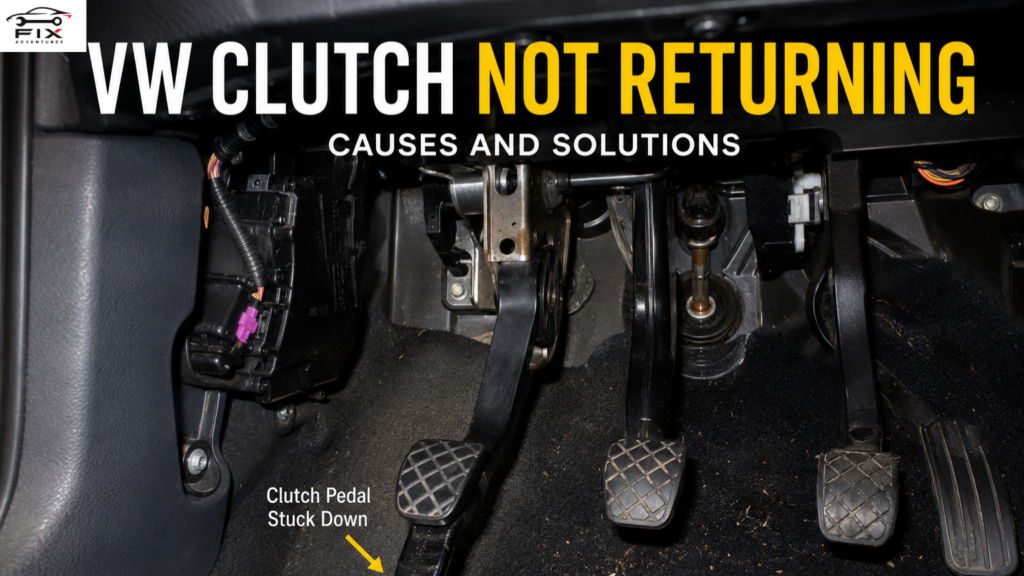
What Does “VW Clutch Not Returning” Mean?
When you press the clutch pedal, it should spring back smoothly after you release your foot. If the pedal stays on the floor, comes back slowly, or feels stuck halfway, something in the clutch hydraulic or mechanical system is failing.
The issue can happen suddenly or gradually worsen over time.
Common descriptions drivers use include:
- Clutch pedal stuck down
- Clutch pedal not coming back up
- Soft or spongy clutch
- Hard gear shifting
- Grinding while shifting
- No clutch pressure
Ignoring the issue may eventually prevent the transmission from disengaging properly.
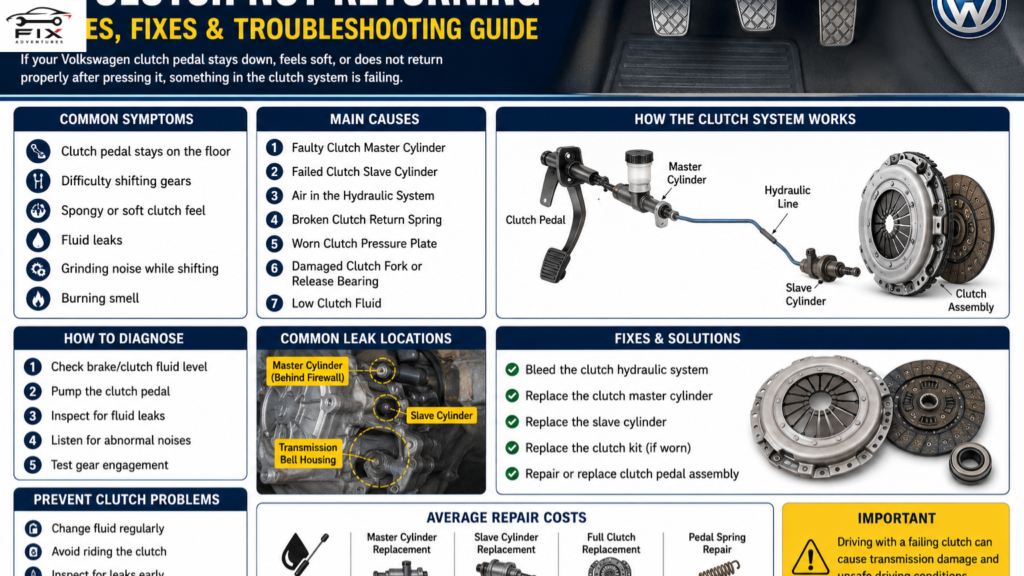
Common Symptoms of a VW Clutch Not Returning
Before diagnosing the exact cause, it helps to understand the warning signs.
Clutch Pedal Stays on the Floor
This is the most obvious symptom. After pressing the pedal, it remains down instead of springing back.
Difficulty Shifting Gears
A failing clutch system prevents the transmission from disengaging completely, making gear changes rough or impossible.
Spongy Clutch Feel
The pedal may feel soft, loose, or inconsistent while pressing it.
Fluid Leaks
Hydraulic clutch systems rely on brake fluid. Leaks around the master cylinder or slave cylinder are major warning signs.
Grinding Noise
If gears grind while shifting, the clutch may not be fully disengaging.
Burning Smell
A slipping clutch can create a strong burning odor, especially during acceleration.
Main Causes of VW Clutch Not Returning
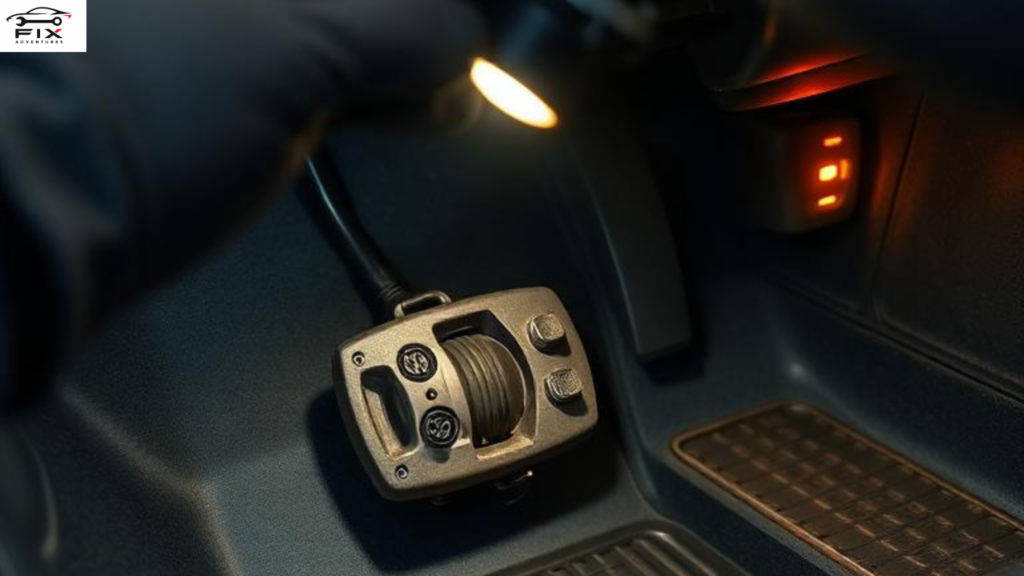
Several mechanical and hydraulic problems can cause the clutch pedal to stop returning properly.
Faulty Clutch Master Cylinder
The clutch master cylinder creates hydraulic pressure when you press the pedal.
If the internal seals fail, pressure is lost, and the pedal may stay down.
Signs of a Bad Master Cylinder
- Soft clutch pedal
- Fluid leaks near firewall
- Clutch slowly sinking
- Inconsistent pedal feel
This is one of the most common causes in many VW vehicles.
Failed Clutch Slave Cylinder
The slave cylinder transfers hydraulic pressure to disengage the clutch.
If it leaks or fails internally, the clutch pedal may not return.
Symptoms Include
- Fluid leaking under transmission
- Difficulty engaging gears
- Clutch stuck to floor
- Air entering hydraulic system
Some Volkswagen models use an internal concentric slave cylinder, which requires transmission removal for replacement.
Air in the Hydraulic System
Air trapped inside the clutch lines reduces hydraulic pressure.
This creates:
- Spongy pedal feel
- Weak clutch response
- Pedal sticking
- Poor gear engagement
Air commonly enters after fluid leaks or improper bleeding.
Broken Clutch Return Spring
Some VW models use a clutch pedal return spring to help the pedal return smoothly.
If the spring breaks or weakens:
- Pedal may not fully return
- Clutch action feels uneven
- Pedal movement becomes sluggish
Worn Clutch Pressure Plate
The pressure plate helps engage and disengage the clutch disc.
When damaged or worn:
- Clutch pedal operation changes
- Pedal may stick
- Clutch slips under acceleration
Pressure plate issues usually require a complete clutch replacement.
Damaged Clutch Fork or Release Bearing
The clutch fork and release bearing move whenever you press the pedal.
If either component bends, seizes, or breaks:
- Clutch pedal may not return
- Grinding noises may appear
- Gear shifting becomes difficult
Low Clutch Fluid
Many Volkswagen vehicles share brake fluid between braking and clutch systems.
Low fluid levels can reduce clutch pressure dramatically.
Causes of Low Fluid
- Hydraulic leaks
- Old seals
- Cracked hoses
- Worn cylinders
Always inspect the brake fluid reservoir first.
How to Diagnose a VW Clutch Not Returning
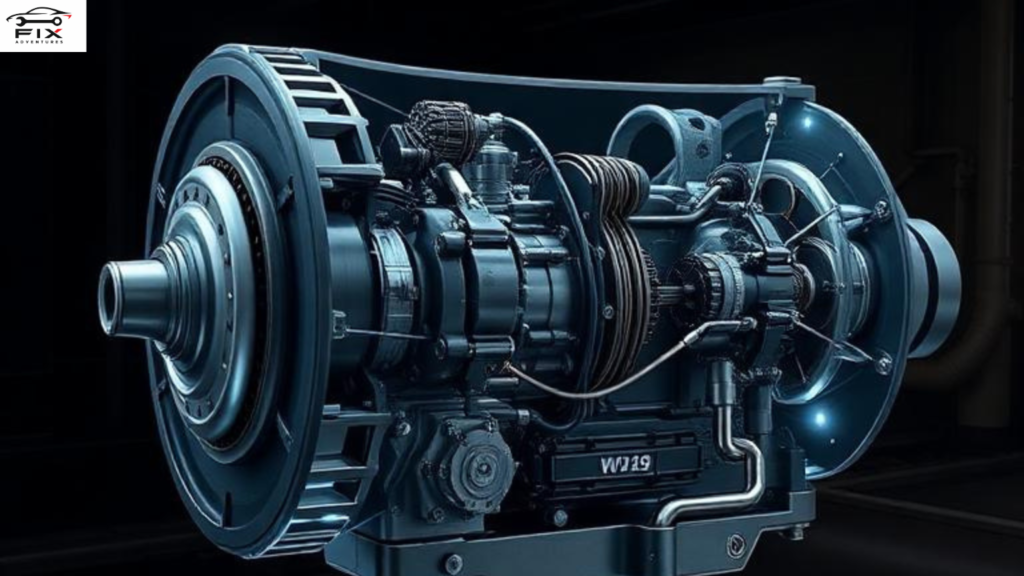
Proper diagnosis can save time and repair costs.
Step 1: Check Brake/Clutch Fluid Level
Open the hood and inspect the brake fluid reservoir.
If fluid is low:
- Look for leaks
- Inspect hydraulic lines
- Check around transmission area
Dirty or dark fluid may also indicate contamination.
Step 2: Pump the Clutch Pedal
Press the clutch pedal several times.
Results May Indicate
| Behavior | Possible Cause |
|---|---|
| Pedal firms up temporarily | Air in system |
| Pedal stays down | Hydraulic failure |
| Pedal squeaks | Mechanical issue |
| Pedal feels loose | Broken spring |
Step 3: Inspect for Fluid Leaks
Look underneath the vehicle and around the pedal assembly.
Common leak locations:
- Firewall area
- Slave cylinder
- Hydraulic lines
- Transmission bell housing
Fluid leaks almost always point to cylinder failure.
Step 4: Listen for Noises
Grinding, squealing, or chirping noises may indicate:
- Bad release bearing
- Pressure plate failure
- Clutch fork damage
Noise during pedal movement is an important clue.
Step 5: Test Gear Engagement
With engine running:
- Press clutch fully
- Attempt shifting into first gear
- Check for grinding or resistance
Hard shifting confirms incomplete clutch disengagement.
How to Fix a VW Clutch Not Returning
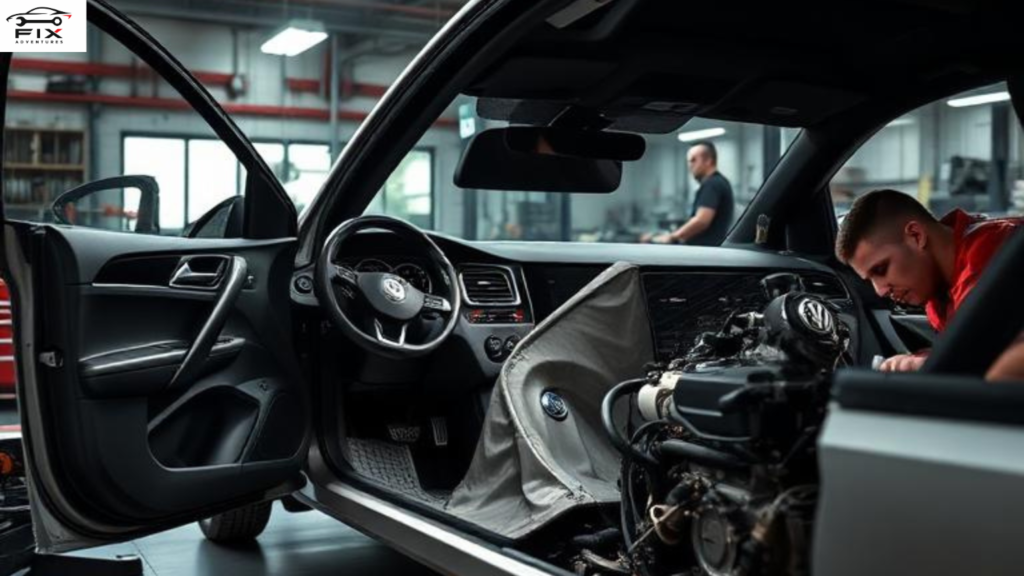
Repair depends on the exact failed component.
Bleed the Clutch Hydraulic System
If air entered the system, bleeding may restore normal operation.
Basic Bleeding Process
- Fill reservoir with fresh brake fluid
- Open bleeder valve
- Pump clutch pedal
- Remove trapped air
- Repeat until pedal feels firm
Proper bleeding often fixes soft or inconsistent pedals.
Replace the Clutch Master Cylinder
A failed master cylinder usually cannot be repaired.
Replacement Includes
- Removing old cylinder
- Installing new seals/cylinder
- Bleeding hydraulic system
This repair is relatively affordable compared to major clutch work.
Replace the Slave Cylinder
External slave cylinders are easier to replace.
However, internal slave cylinders require:
- Transmission removal
- Clutch assembly access
- Full bleeding afterward
Because labor is extensive, many owners replace the clutch simultaneously.
Replace Clutch Kit
If the clutch assembly is worn, replacing the complete kit is recommended.
A full clutch kit usually includes:
- Clutch disc
- Pressure plate
- Release bearing
- Pilot bearing
This restores smooth clutch operation and prevents future failures.
Repair Clutch Pedal Assembly
If the pedal mechanism or spring is damaged:
- Replace the return spring
- Lubricate pivot points
- Repair bent brackets
This is a less expensive repair if caught early.
Average Repair Costs
Repair prices vary by VW model and labor rates.
| Repair Type | Estimated Cost |
|---|---|
| Clutch bleeding | $80 – $150 |
| Master cylinder replacement | $200 – $500 |
| Slave cylinder replacement | $300 – $900 |
| Full clutch replacement | $800 – $2,000 |
| Pedal spring repair | $100 – $250 |
Luxury or AWD Volkswagen models may cost more.
Can You Drive With a Clutch That Won’t Return?
Driving with a failing clutch is risky.
You may experience:
- Sudden inability to shift
- Transmission grinding
- Complete clutch failure
- Unsafe driving conditions
If the pedal occasionally sticks but still works, drive only short distances to a repair shop.
If the clutch remains fully stuck on the floor, towing is the safer option.
Preventing VW Clutch Problems
Proper maintenance can extend clutch life significantly.
Change Fluid Regularly
Old hydraulic fluid absorbs moisture and damages seals.
Replace fluid according to maintenance schedules.
Avoid Riding the Clutch
Keeping your foot on the pedal constantly creates unnecessary wear.
Inspect for Leaks Early
Small fluid leaks often become major hydraulic failures later.
Replace Worn Components Together
If replacing the transmission or clutch, consider replacing:
- Slave cylinder
- Release bearing
- Pilot bearing
This reduces future labor costs.
VW Models Commonly Affected
Several Volkswagen vehicles have reported clutch hydraulic issues over the years.
Popular affected models include:
- Volkswagen Golf
- Volkswagen Jetta
- Volkswagen Passat
- Volkswagen Beetle
- Volkswagen GTI
- Volkswagen Tiguan
Manual transmission versions are naturally more vulnerable to clutch-related wear.
Signs You Need Immediate Repair
Seek immediate inspection if you notice:
- Burning smell
- Fluid puddles
- Grinding gears
- Clutch fully stuck
- Vehicle unable to shift
- Sudden clutch pressure loss
Ignoring these symptoms can lead to transmission damage.
Frequently Asked Questions
Why Is My VW Clutch Pedal Staying Down?
The most common reasons are:
- Bad master cylinder
- Failed slave cylinder
- Air in hydraulic system
- Broken return spring
Hydraulic leaks are especially common.
Can Low Brake Fluid Cause Clutch Problems?
Yes. Many Volkswagen vehicles share brake fluid with the clutch hydraulic system.
Low fluid can cause:
- Soft pedal
- Clutch sticking
- Gear shifting issues
How Long Does a VW Clutch Last?
Most VW clutches last between 60,000 and 120,000 miles depending on driving habits.
Aggressive driving shortens lifespan significantly.
Is a Clutch Repair Expensive?
Minor hydraulic repairs are affordable, but full clutch replacements can become costly because transmission removal is labor-intensive.
Final Thoughts
A VW clutch not returning problem is usually linked to hydraulic failure, trapped air, or worn clutch components. While some issues are minor and inexpensive to fix, others may require full clutch replacement.
The key is diagnosing the issue early before it causes transmission damage or leaves you stranded.
Start by checking:
- Fluid levels
- Hydraulic leaks
- Pedal feel
- Gear engagement
If symptoms continue, professional inspection is the safest solution.

If you’ve ever found yourself staring at your car, wondering what went wrong or how to fix it without spending a fortune, you’re in the right place. FixAdventures was built for people who want practical, honest, and easy-to-understand car repair advice — without the fluff or confusing jargon.