BMW Ignition Fault: Causes, Symptoms, and Easy Fixes
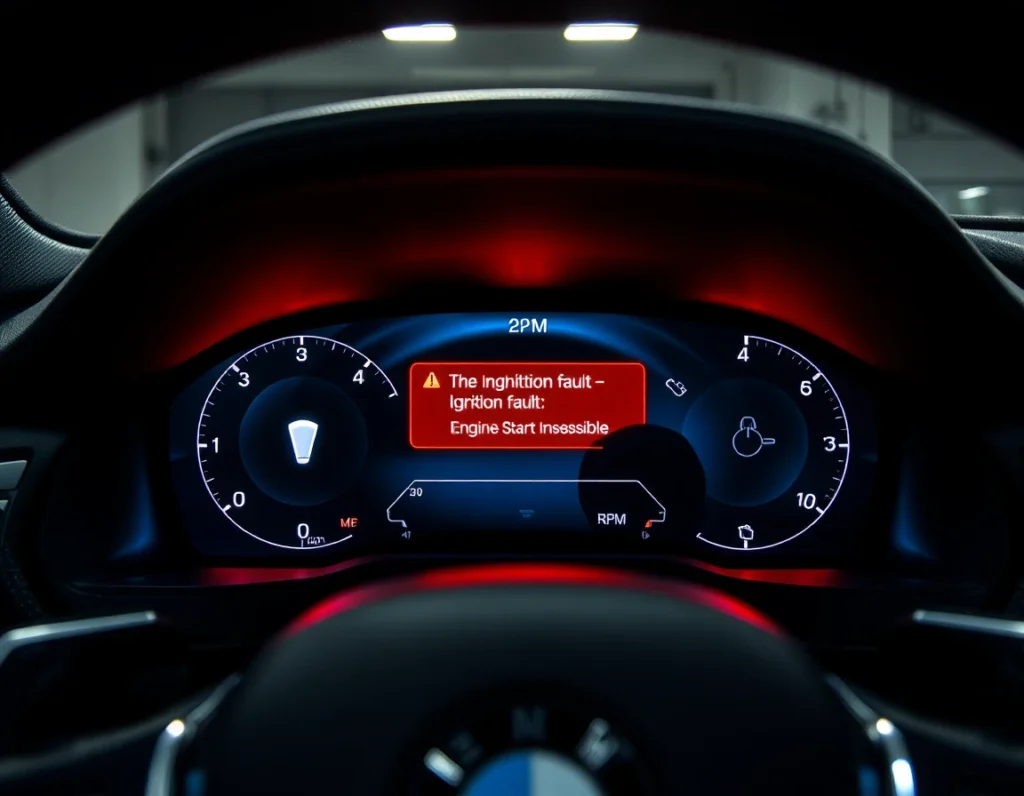
If you own a BMW and suddenly see the warning message “BMW Ignition Fault” on your dashboard, it can feel stressful.
This issue can affect your vehicle’s starting system, engine performance, and overall driving experience. The good news is that many ignition faults are fixable once you understand the real cause behind the problem.
In this guide, we’ll explain everything you need to know about BMW ignition faults, including common symptoms, possible causes, troubleshooting steps, repair costs, and prevention tips.
Whether you drive a BMW 3 Series, 5 Series, X5, or another model, this article will help you diagnose and solve the issue quickly.
What Does BMW Ignition Fault Mean?

A BMW ignition fault usually means there’s a problem with the ignition system that prevents the engine from starting or running properly. The ignition system is responsible for creating the spark needed to ignite the fuel-air mixture inside the engine cylinders.
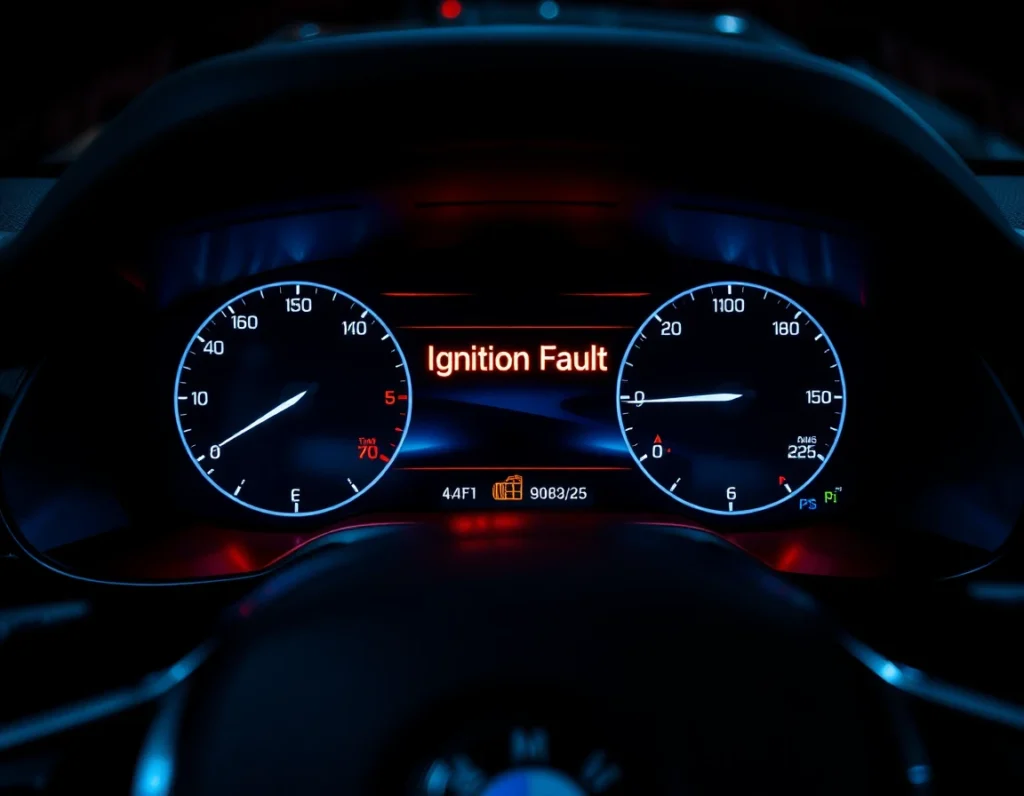
When something goes wrong, your BMW may display warning messages such as:
- Ignition fault
- Ignition malfunction
- Drivetrain malfunction
- Engine start fault
- Increased emissions warning
In some cases, the car may enter limp mode, reducing power to protect the engine from damage.
Common Symptoms of BMW Ignition Fault
Before fixing the issue, it’s important to recognize the symptoms. Here are the most common signs of a BMW ignition fault:
Engine Misfires
One of the first signs is engine misfiring. The engine may shake, hesitate, or run unevenly during acceleration.
Difficulty Starting the Car
Your BMW may crank slowly or fail to start completely.
Check Engine Light
The check engine light often appears alongside ignition-related error messages.
Rough Idling
If the engine vibrates excessively while idling, faulty ignition components could be the reason.
Loss of Power
A bad ignition system can reduce engine performance and acceleration.
Poor Fuel Economy
When the ignition system isn’t working properly, fuel combustion becomes inefficient, leading to increased fuel consumption.
Main Causes of BMW Ignition Fault

Several components can trigger an ignition fault in BMW vehicles. Let’s look at the most common causes.
Faulty Ignition Coils
Ignition coils convert battery voltage into high-voltage sparks needed for combustion. BMW ignition coils are known to fail over time.
Signs of a Bad Ignition Coil
- Engine shaking
- Misfires
- Poor acceleration
- Check engine light
- Rough idle
Faulty coils are among the most common reasons for ignition faults in BMW cars.
Worn Spark Plugs
Spark plugs ignite the fuel mixture inside the cylinders. Over time, they wear out and fail to produce a strong spark.
Symptoms of Bad Spark Plugs
- Hard starting
- Misfires
- Reduced fuel efficiency
- Weak acceleration
BMW recommends replacing spark plugs at regular service intervals to avoid ignition problems.
Weak or Dead Battery
Modern BMW vehicles rely heavily on electronics. A weak battery can trigger multiple warning messages, including ignition faults.
Battery-Related Symptoms
- Slow engine crank
- Electrical malfunctions
- Dashboard flickering
- Start-stop system failure
Always test the battery voltage before replacing other ignition components.
Faulty Fuel Injectors
Fuel injectors deliver fuel into the engine cylinders. If an injector becomes clogged or fails, it can create combustion issues that mimic ignition faults.
Common Injector Problems
- Engine hesitation
- Fuel smell
- Rough idle
- Reduced power
Bad Crankshaft Position Sensor
The crankshaft position sensor monitors engine timing. If it fails, the engine control module may not know when to fire the spark plugs.
Symptoms Include
- Sudden stalling
- No-start condition
- Engine misfires
- Check engine light
Damaged Wiring or Connectors
Loose wiring, corrosion, or damaged connectors can interrupt communication between ignition components.
Common Electrical Problems
- Intermittent starting issues
- Random warning lights
- Misfires during driving
Electrical faults are especially common in older BMW models.
How to Diagnose BMW Ignition Fault

Diagnosing the problem correctly can save you money and unnecessary repairs.
Scan for Error Codes
Use an OBD2 scanner to read diagnostic trouble codes.
Common BMW ignition-related codes include:
- P0300 – Random misfire detected
- P0301 to P0306 – Cylinder misfire
- P0351 to P0356 – Ignition coil circuit fault
These codes help identify the affected cylinder or component.
Inspect the Spark Plugs
Remove the spark plugs and check for:
- Carbon buildup
- Oil contamination
- Excessive wear
- Burned electrodes
Replace damaged plugs immediately.
Test the Ignition Coils
A quick method is to swap the suspected coil with another cylinder. If the misfire moves, the ignition coil is faulty.
Check Battery Voltage
A healthy BMW battery should read around 12.6 volts when the engine is off.
Low voltage can cause false ignition warnings.
Inspect Wiring and Connections
Look for:
- Frayed wires
- Corrosion
- Loose connectors
- Water damage
Repair damaged wiring before replacing expensive parts.
How to Fix BMW Ignition Fault

The repair depends on the underlying cause. Here are the most common solutions.
Replace Faulty Ignition Coils
If one ignition coil fails, many mechanics recommend replacing all coils if they are old.
Average Cost
- Parts: $50–$150 per coil
- Labor: $100–$300
Install New Spark Plugs
Replacing spark plugs is one of the easiest and most affordable fixes.
Average Cost
- Parts: $40–$120
- Labor: $80–$200
Using OEM spark plugs is highly recommended for BMW engines.
Replace the Battery
If the battery is weak or old, replacing it may solve the issue.
Important Note
BMW batteries often require registration using a scan tool after replacement.
Clean or Replace Fuel Injectors
Fuel injector cleaning may restore performance. Severely clogged injectors may need replacement.
Replace Crankshaft Position Sensor
A faulty sensor should be replaced immediately to prevent stalling or no-start conditions.
Repair Electrical Wiring
Damaged wires or corroded connectors should be professionally repaired.
Electrical issues can sometimes be difficult to diagnose without proper tools.
Can You Drive With a BMW Ignition Fault?
Technically, you may still be able to drive the car temporarily, but it’s not recommended.
Driving with an ignition fault can lead to:
- Catalytic converter damage
- Severe engine misfires
- Poor fuel economy
- Engine overheating
- Complete engine failure
If the engine is shaking badly or flashing the check engine light, stop driving immediately.
BMW Models Commonly Affected by Ignition Faults
Several BMW models are known for ignition-related issues, especially high-mileage vehicles.
BMW 3 Series
The 3 Series frequently experiences ignition coil and spark plug failures.
BMW 5 Series
Electrical system issues and battery faults are common in older 5 Series models.
BMW X5
BMW X5 SUVs may develop ignition problems due to sensor failures and wiring issues.
BMW 1 Series
Misfires and rough idling are often linked to faulty coils and injectors.
How Much Does It Cost to Fix BMW Ignition Fault?
Repair costs vary depending on the exact problem.
| Repair Type | Estimated Cost |
|---|---|
| Ignition Coil Replacement | $150–$450 |
| Spark Plug Replacement | $120–$300 |
| Battery Replacement | $200–$500 |
| Fuel Injector Replacement | $300–$1200 |
| Crankshaft Sensor Replacement | $150–$400 |
| Wiring Repair | $100–$1000 |
Luxury vehicles like BMW usually have higher labor and parts costs compared to standard cars.
How to Prevent BMW Ignition Faults

Preventive maintenance is the best way to avoid costly repairs.
Replace Spark Plugs on Time
Follow BMW’s recommended maintenance schedule.
Use High-Quality Fuel
Premium fuel helps reduce carbon buildup and improves engine performance.
Check the Battery Regularly
Weak batteries can cause many electronic problems in BMW vehicles.
Avoid Cheap Aftermarket Parts
Low-quality ignition coils and spark plugs often fail quickly.
Always choose OEM or high-quality replacement parts.
Address Misfires Immediately
Ignoring small misfires can lead to expensive engine damage later.
Frequently Asked Questions
What Causes BMW Ignition Fault?
The most common causes include faulty ignition coils, worn spark plugs, weak batteries, bad sensors, or electrical wiring issues.
Can a Bad Battery Cause Ignition Fault on BMW?
Yes, a weak battery can trigger ignition-related warning messages and starting problems.
Is BMW Ignition Fault Serious?
Yes, it can become serious if ignored. Continued driving may damage the engine or catalytic converter.
How Do I Reset BMW Ignition Fault?
Sometimes the warning clears after repairing the faulty component. You can also reset codes using an OBD2 scanner.
How Long Do BMW Ignition Coils Last?
Most BMW ignition coils last between 60,000 and 100,000 miles depending on driving conditions and maintenance.
Final Thoughts
A BMW ignition fault can range from a simple spark plug issue to a more complex electrical problem. Fortunately, most cases are repairable when diagnosed early. Common causes include bad ignition coils, worn spark plugs, weak batteries, and sensor failures.
If your BMW displays ignition fault warnings, don’t ignore them. Scan the vehicle for codes, inspect the ignition components, and repair the problem as soon as possible. Early diagnosis can save you from expensive engine repairs later.

If you’ve ever found yourself staring at your car, wondering what went wrong or how to fix it without spending a fortune, you’re in the right place. FixAdventures was built for people who want practical, honest, and easy-to-understand car repair advice — without the fluff or confusing jargon.