Mini Cooper Drivetrain Malfunction: Causes, Fixes, and Prevention Guide
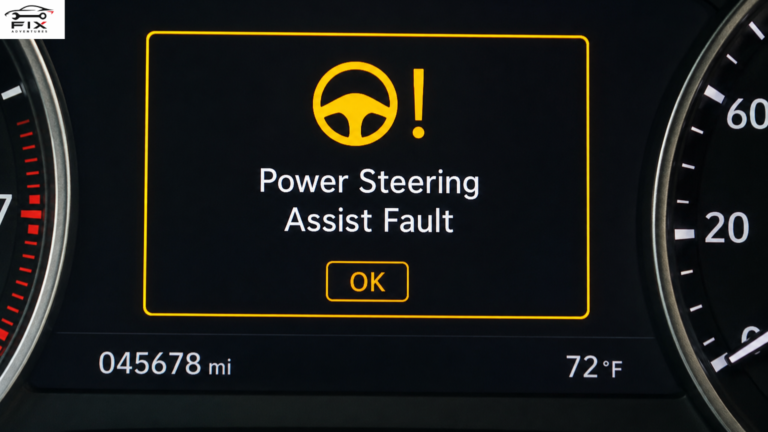
If you own a Mini Cooper, you already know it’s a fun, stylish, and performance-driven car. But like any vehicle, it’s not immune to problems. One issue that can catch drivers off guard is the Mini Cooper drivetrain malfunction warning. When this message pops up, it can be confusing—and sometimes even alarming.
In this complete guide, I’ll walk you through what this warning means, why it happens, how to fix it, and how to prevent it in the future. Whether you’re a DIY car enthusiast or just someone trying to avoid costly repairs, this article has you covered.
What Does Mini Cooper Drivetrain Malfunction Mean?
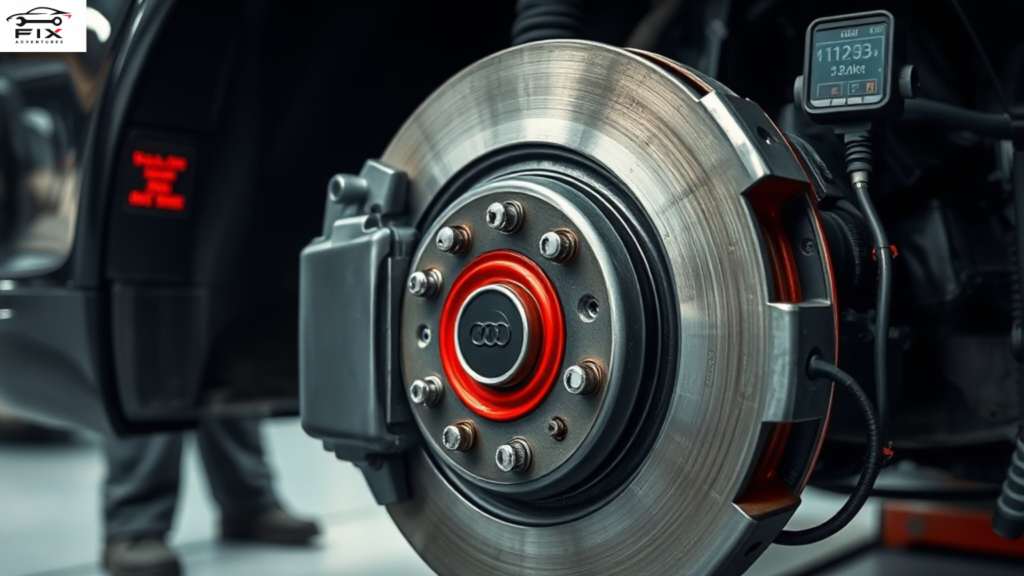
The drivetrain malfunction warning in a Mini Cooper indicates a problem with the components that deliver power from the engine to the wheels. This includes:
- Engine
- Transmission
- Driveshaft
- Differential
When the system detects an issue, your car may enter limp mode. This reduces the power to prevent further damage.
Common Symptoms of Drivetrain Malfunction
Before diving into causes, let’s look at some signs you might notice:
1. Loss of Power
Your Mini Cooper may suddenly feel sluggish or struggle to accelerate.
2. Warning Message on Dashboard
You’ll see the “Drivetrain Malfunction” warning appear on your screen.
3. Rough Shifting
The transmission may shift hard or unpredictably.
4. Engine Misfires
You might feel vibrations or hear unusual engine noises.
5. Check Engine Light
Often, the drivetrain warning appears alongside the check engine light.
Main Causes of Mini Cooper Drivetrain Malfunction
Now, let’s break down the most common reasons behind this issue.
Faulty Ignition Coils or Spark Plugs
One of the most common causes is worn-out ignition components.
Why It Happens
- Spark plugs wear out over time
- Ignition coils fail and cause misfires
Symptoms
- Engine shaking
- Poor fuel efficiency
- Rough idling
Fix
Replacing spark plugs and ignition coils is relatively inexpensive and often solves the problem.
Fuel System Issues
Fuel delivery problems can trigger drivetrain warnings.
Possible Causes
- Clogged fuel injectors
- Weak fuel pump
- Dirty fuel filter
Symptoms
- Engine hesitation
- Difficulty starting
- Reduced performance
Fix
Cleaning or replacing fuel system components usually resolves the issue.
Transmission Problems
Your transmission plays a major role in the drivetrain.
Common Issues
- Low transmission fluid
- Worn clutch (in manual models)
- Faulty transmission control module
Symptoms
- Hard shifting
- Slipping gears
- Delayed acceleration
Fix
- Check and top up transmission fluid
- Replace worn parts if necessary
Turbocharger Malfunction
Mini Coopers often come with turbocharged engines, which can also fail.
Causes
- Oil starvation
- Boost leaks
- Worn turbo components
Symptoms
- Whining noise
- Loss of power
- Excess smoke
Fix
Repair or replace the turbocharger.
Sensor Failures
Modern cars rely heavily on sensors.
Common Culprits
- Mass Air Flow (MAF) sensor
- Oxygen sensor
- Boost pressure sensor
Symptoms
- Erratic engine performance
- Warning lights
Fix
Diagnose using an OBD-II scanner and replace faulty sensors.
Software or ECU Issues
Sometimes the problem isn’t mechanical.
Causes
- Outdated software
- ECU glitches
Fix
A simple software update or reset at a dealership can fix it.
How to Diagnose Mini Cooper Drivetrain Malfunction
Diagnosing the issue correctly is key to avoiding unnecessary repairs.
Step 1: Use an OBD-II Scanner
Plug in a scanner to read error codes. These codes give you a starting point.
Step 2: Check Basic Components
Inspect:
- Spark plugs
- Ignition coils
- Fluid levels
Step 3: Look for Visible Damage
Check for leaks, loose connections, or worn-out parts.
Step 4: Consult a Mechanic
If you’re unsure, it’s best to get a professional diagnosis.
Can You Drive With a Drivetrain Malfunction Warning?
Short answer: It’s not recommended.
Why?
- You risk further damage
- The car may suddenly lose power
- Safety could be compromised
If the car enters limp mode, drive cautiously to the nearest repair shop.
How Much Does It Cost to Fix?
The cost varies depending on the cause.
| Issue | Estimated Cost |
|---|---|
| Spark plugs & coils | $100 – $400 |
| Fuel system repair | $200 – $800 |
| Transmission repair | $1,000 – $4,000 |
| Turbocharger replacement | $1,500 – $3,500 |
| Sensor replacement | $100 – $500 |
Preventing Mini Cooper Drivetrain Malfunction
Prevention is always better than repair. Here’s how to keep your Mini running smoothly.
Regular Maintenance
Stick to your service schedule:
- Change oil regularly
- Replace spark plugs on time
- Check fluids frequently
Use High-Quality Fuel
Low-quality fuel can clog injectors and reduce engine performance.
Avoid Aggressive Driving
Hard acceleration and sudden braking put stress on the drivetrain.
Keep Software Updated
Ensure your car’s ECU is up to date.
Address Issues Early
Don’t ignore small warning signs—they often lead to bigger problems.
DIY Fixes vs Professional Repairs
When You Can DIY
- Replacing spark plugs
- Changing ignition coils
- Cleaning air filters
When to See a Mechanic
- Transmission issues
- Turbocharger problems
- Complex diagnostics
Frequently Asked Questions
Is drivetrain malfunction serious?
Yes, it can be. While some causes are minor, others can lead to major engine or transmission damage.
Can a bad battery cause drivetrain malfunction?
In some cases, yes. Low voltage can confuse the car’s electronics and trigger warnings.
How do I reset the drivetrain malfunction warning?
You can:
- Restart the car
- Use an OBD-II scanner to clear codes
However, if the issue persists, it needs proper repair.
How long does it take to fix?
- Minor issues: 1–2 hours
- Major repairs: Several days
Final Thoughts
The Mini Cooper drivetrain malfunction warning might seem intimidating at first, but it’s often manageable if you act quickly. The key is understanding the symptoms, identifying the cause, and addressing the issue before it gets worse.
In many cases, simple fixes like replacing spark plugs or sensors can solve the problem. However, ignoring the warning can lead to costly repairs down the line.

If you’ve ever found yourself staring at your car, wondering what went wrong or how to fix it without spending a fortune, you’re in the right place. FixAdventures was built for people who want practical, honest, and easy-to-understand car repair advice — without the fluff or confusing jargon.