Engine Failure Hazard Renault: Causes, Warning Signs, Fixes
If you own a Renault vehicle and suddenly see the “Engine Failure Hazard” warning message on your dashboard, it can feel stressful and confusing. This warning usually appears when the car’s system detects a serious issue affecting engine performance, emissions, or safety. In many cases, the vehicle may enter limp mode, lose power, or refuse to accelerate properly.
The good news is that the problem is often fixable once you understand what’s causing it. In this guide, we’ll explain everything about the engine failure hazard Renault warning, including common causes, symptoms, repair costs, troubleshooting steps, and prevention tips.
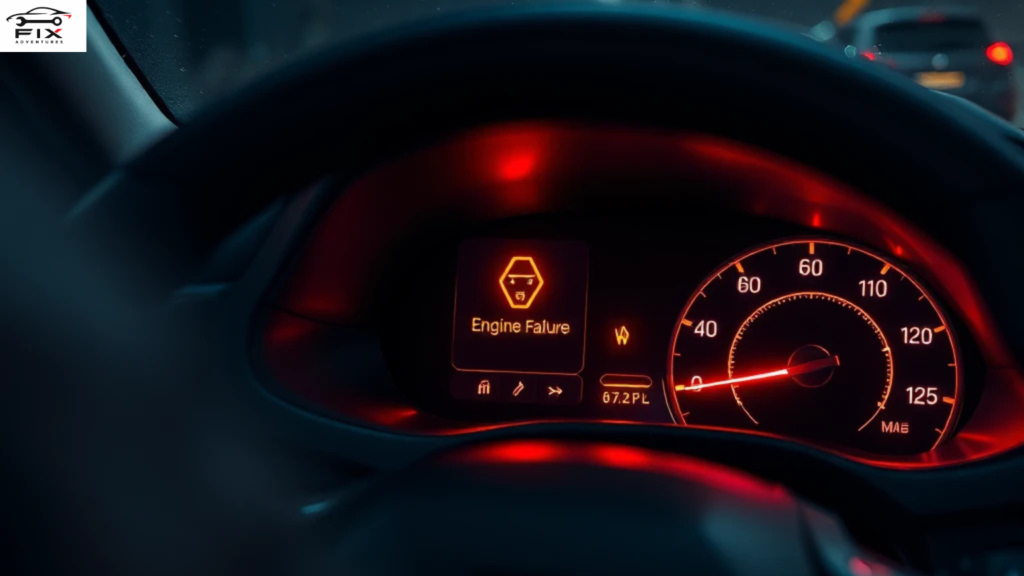
What Does “Engine Failure Hazard” Mean on a Renault?
The Engine Failure Hazard message is a warning generated by Renault’s onboard diagnostic system. It indicates that the engine management system has detected a malfunction that could damage the engine or affect safe driving.
This warning commonly appears in Renault models like:
- Renault Clio
- Renault Megane
- Renault Captur
- Renault Kadjar
- Renault Scenic
- Renault Trafic
- Renault Koleos
In some cases, the warning may come together with:
- Check engine light
- Reduced engine power
- Rough idling
- Black smoke from exhaust
- Poor fuel economy
- Difficulty starting
The severity of the issue depends on the underlying cause.
Common Causes of Engine Failure Hazard Renault
There are several reasons why this warning appears. Some are minor sensor issues, while others involve major engine components.
Faulty Fuel Injectors
Bad or clogged fuel injectors are one of the most common reasons behind the warning.
When injectors fail, the engine doesn’t receive the correct fuel amount, leading to:
- Misfires
- Rough acceleration
- Excessive smoke
- Power loss
Diesel Renault models are especially prone to injector-related problems.
Signs of Bad Injectors
- Engine shaking at idle
- Strong fuel smell
- Poor MPG
- Hard starting
- White or black exhaust smoke
EGR Valve Problems
The Exhaust Gas Recirculation (EGR) valve helps reduce emissions by recirculating exhaust gases back into the engine.
Over time, carbon buildup can clog the valve and trigger the engine failure hazard warning.
Symptoms of a Faulty EGR Valve
- Jerking during acceleration
- Engine hesitation
- Black smoke
- Increased fuel consumption
- Check engine light
Cleaning or replacing the EGR valve often solves the issue.
Turbocharger Failure
Turbocharged Renault engines may show this warning if the turbo system develops a fault.
A damaged turbo can cause:
- Whistling noises
- Oil leaks
- Reduced power
- Excessive exhaust smoke
Common Turbo Problems
- Worn bearings
- Boost leaks
- Broken turbo hoses
- Carbon buildup
Ignoring turbo issues can eventually damage the engine.
Faulty Glow Plugs or Ignition Components
In diesel Renault vehicles, faulty glow plugs may trigger engine-related warnings.
Petrol models can experience problems from:
- Bad spark plugs
- Ignition coils
- Wiring faults
These components are essential for proper combustion.
Symptoms Include
- Misfires
- Rough engine operation
- Starting problems
- Engine vibrations
DPF (Diesel Particulate Filter) Blockage
Diesel Renault cars often experience DPF clogging, especially when driven mostly on short trips.
The DPF captures soot particles from exhaust gases. If blocked, it restricts airflow and may trigger the warning.
Signs of a Blocked DPF
- Reduced acceleration
- Increased fuel usage
- Exhaust smoke
- Regeneration warnings
- Limp mode activation
Long motorway drives can sometimes help regenerate the filter naturally.
Sensor Failures
Modern Renault vehicles rely heavily on sensors to monitor engine operation.
A faulty sensor can send incorrect data to the ECU and activate the warning message.
Common Problematic Sensors
- Mass Air Flow (MAF) sensor
- Oxygen sensor
- Crankshaft sensor
- MAP sensor
- Camshaft sensor
Sensor replacement is usually cheaper than major engine repairs.
Symptoms of Engine Failure Hazard Renault
The exact symptoms vary depending on the problem, but common signs include:
Reduced Engine Power
Many Renault vehicles enter limp mode to protect the engine from further damage.
You may notice:
- Slow acceleration
- Limited speed
- Weak throttle response
Rough Idling
The engine may shake or vibrate excessively while idling.
This often points toward:
- Injector issues
- Ignition faults
- Air intake problems
Excessive Exhaust Smoke
Smoke color can provide clues about the issue.
Black Smoke
Usually indicates excess fuel or poor combustion.
White Smoke
It can signal coolant leaks or injector problems.
Blue Smoke
Often caused by oil burning inside the engine.
Poor Fuel Economy
If your Renault suddenly consumes more fuel than normal, the engine management system may not be functioning correctly.
This commonly happens due to:
- Faulty sensors
- Dirty injectors
- EGR issues
Engine Stalling
Some vehicles may randomly stall or struggle to stay running.
This symptom should never be ignored because it can become dangerous while driving.
Can You Drive with the Engine Failure Hazard Warning?
Technically, you may still be able to drive the car for a short distance, but it’s not recommended.
Driving with this warning can lead to:
- Severe engine damage
- Turbo failure
- DPF blockage worsening
- Unsafe driving conditions
If the vehicle loses power or enters limp mode, stop driving as soon as it’s safe.
How to Diagnose Engine Failure Hazard Renault
Proper diagnosis is essential before replacing parts.
Use an OBD2 Scanner
The easiest way to identify the issue is by scanning the vehicle for trouble codes.
Common Renault engine codes include:
- P0401 – EGR flow problem
- P0200 – Injector circuit fault
- P0299 – Turbo underboost
- P0100 – MAF sensor issue
These codes help pinpoint the exact problem.
Inspect Engine Components
Visually inspect:
- Turbo hoses
- Vacuum lines
- Electrical connectors
- Fuel injector wiring
Loose or damaged parts can trigger warning messages.
Check Fluid Levels
Low oil or coolant levels can also contribute to engine problems.
Always inspect:
- Engine oil
- Coolant
- Transmission fluid
Ignoring low fluids may cause catastrophic damage.
How to Fix the Engine Failure Hazard Renault
The repair depends on the root cause.
Replace Faulty Injectors
Injector replacement is common in diesel Renault models.
Costs vary depending on the model and labor charges.
Clean or Replace the EGR Valve
Carbon buildup can often be cleaned without replacing the entire valve.
However, severely damaged EGR valves may require full replacement.
Repair Turbocharger Issues
Turbo repairs may involve:
- Replacing damaged hoses
- Cleaning turbo components
- Installing a new turbocharger
Early repairs are much cheaper than full engine replacements.
Replace Sensors
Sensor replacement is usually straightforward and relatively inexpensive.
A mechanic may replace:
- MAF sensor
- Oxygen sensor
- Crankshaft sensor
Perform DPF Regeneration
If the DPF is clogged, forced regeneration may solve the issue.
In severe cases, the filter may need professional cleaning or replacement.
Engine Failure Hazard Renault Repair Costs
Repair prices depend on the issue and vehicle model.
| Problem | Estimated Cost |
|---|---|
| Sensor replacement | $80–$300 |
| EGR valve cleaning | $100–$250 |
| Fuel injector replacement | $250–$1200 |
| Turbocharger repair | $500–$2000 |
| DPF cleaning | $200–$600 |
Luxury Renault models may cost more to repair.
How to Prevent Engine Failure Hazard Renault
Preventive maintenance can reduce the chances of seeing this warning.
Use Quality Fuel
Poor-quality fuel can clog injectors and damage the fuel system.
Always use reputable fuel stations.
Change Oil Regularly
Dirty oil increases engine wear and turbocharger damage risk.
Follow Renault’s recommended oil intervals.
Drive Longer Distances Occasionally
Short trips contribute to DPF clogging.
Longer motorway drives help burn soot buildup naturally.
Replace Filters on Time
Regularly replace:
- Air filters
- Fuel filters
- Oil filters
Clean filters improve engine performance and efficiency.
Address Warning Lights Early
Ignoring small problems often leads to bigger and more expensive repairs.
If the check engine light appears, diagnose the issue immediately.
Which Renault Models Commonly Experience This Problem?
Some Renault vehicles are more prone to engine failure hazard warnings due to engine design or diesel system issues.
Commonly affected models include:
- Renault Clio dCi
- Renault Megane dCi
- Renault Scenic
- Renault Kadjar
- Renault Captur
- Renault Laguna
Diesel engines tend to experience more DPF and injector problems.
When Should You See a Mechanic?
Seek professional help immediately if you notice:
- Loud engine knocking
- Heavy smoke
- Severe power loss
- Overheating
- Stalling while driving
These symptoms may indicate serious engine damage.
Final Thoughts
The engine failure hazard Renault warning should never be ignored. While some causes are simple sensor faults, others can lead to major engine damage if left untreated.
The most common causes include:
- Faulty injectors
- EGR valve problems
- Turbocharger faults
- DPF blockage
- Sensor failures
Early diagnosis and proper maintenance are the best ways to avoid expensive repairs. Using an OBD2 scanner, keeping up with oil changes, and addressing warning signs quickly can help keep your Renault running smoothly for years.

If you’ve ever found yourself staring at your car, wondering what went wrong or how to fix it without spending a fortune, you’re in the right place. FixAdventures was built for people who want practical, honest, and easy-to-understand car repair advice — without the fluff or confusing jargon.