Braking System Fault Renault: Causes, Fixes, and Safety Tips You Must Know
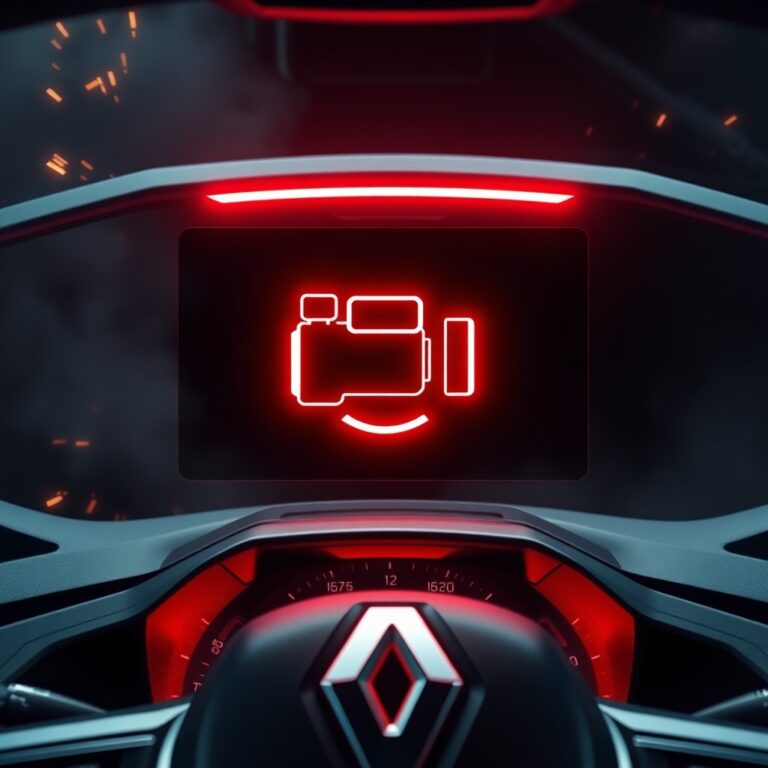
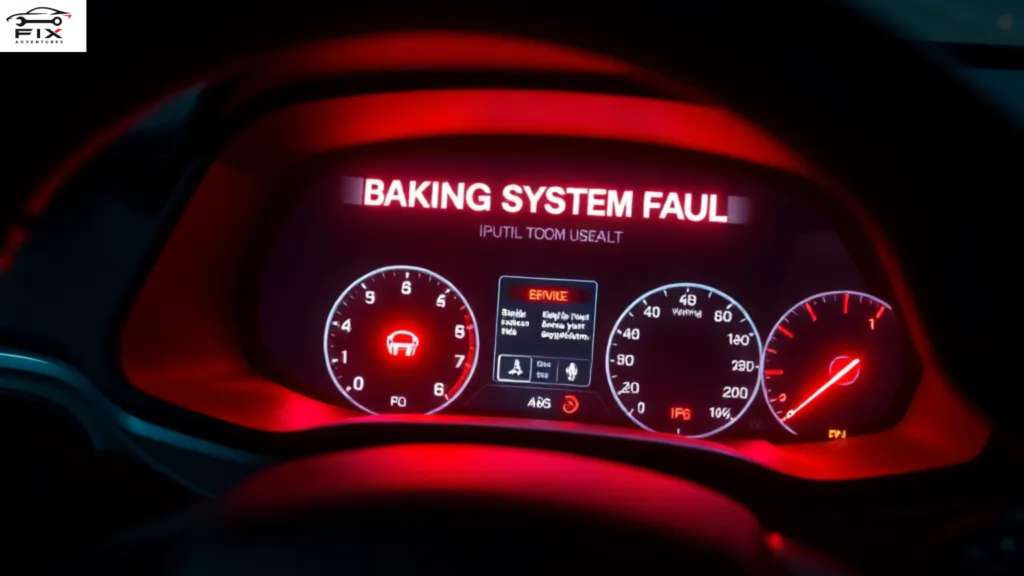
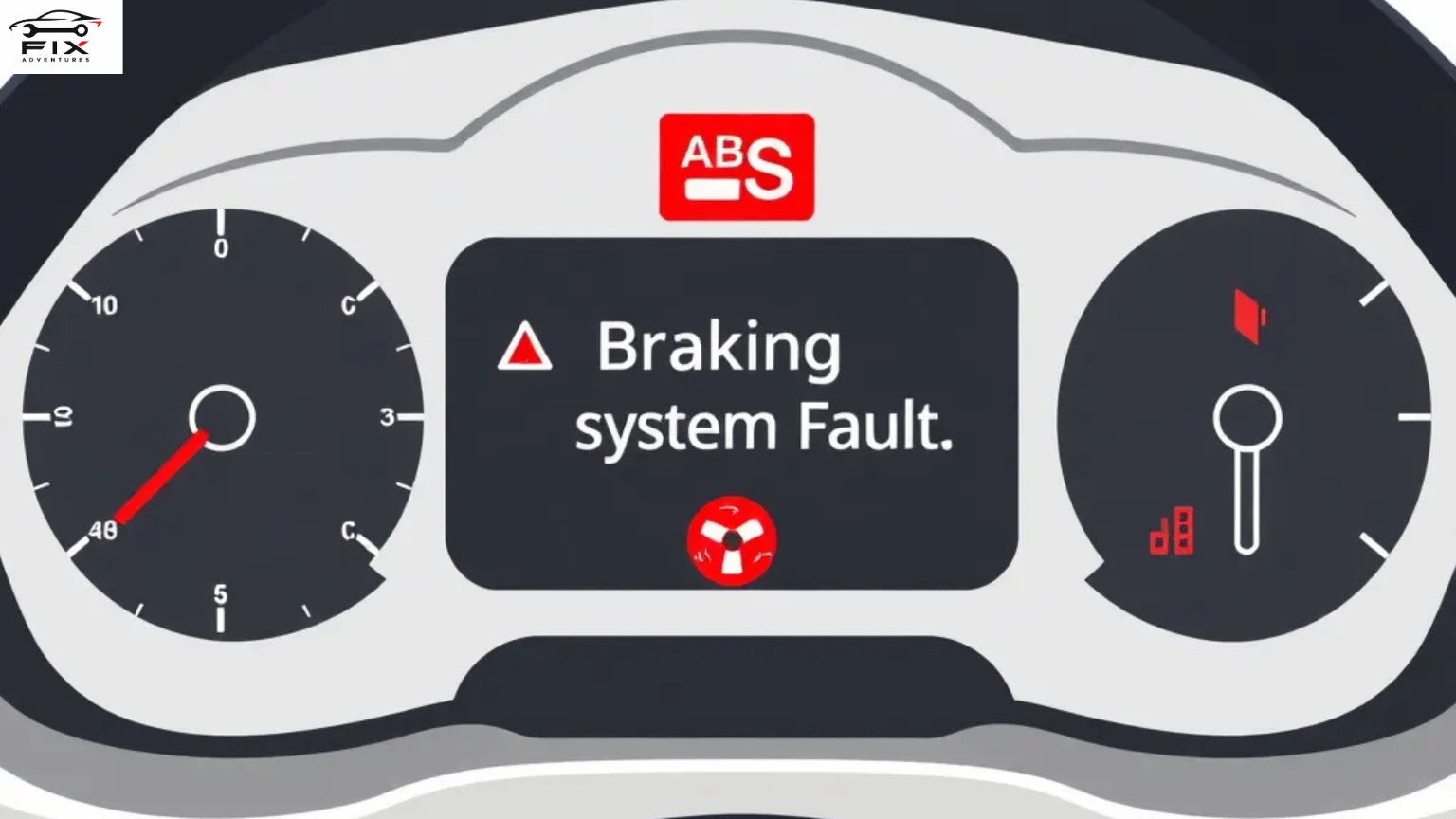
If you’ve ever seen the warning message “Braking System Fault Renault” pop up on your Renault dashboard, it’s not something you should ignore.
This alert is your car’s way of telling you that there’s a problem somewhere in the braking system—one of the most critical safety components of your vehicle.
In simple terms, this warning indicates that your car may not brake as effectively as it should. Whether it’s a minor sensor issue or a serious hydraulic failure, the message deserves immediate attention.
Why the Braking System Is So Important
Before diving into causes and fixes, let’s quickly understand why your braking system matters so much.
Your car’s braking system is responsible for:
- Slowing down your vehicle
- Bringing it to a complete stop
- Preventing accidents in emergencies
Modern Renault vehicles come equipped with advanced braking technologies like ABS (Anti-lock Braking System) and electronic brake force distribution. When something goes wrong, the system alerts you instantly to avoid dangerous situations.
Common Causes of Braking System Fault Renault
1. Low Brake Fluid Level
One of the most common reasons for this warning is low brake fluid. Brake fluid is essential for transferring force from your foot on the pedal to the brakes.
Symptoms:
- Soft or spongy brake pedal
- Increased stopping distance
- Warning light on dashboard
Fix:
Check the brake fluid reservoir and top it up if it’s below the minimum level. However, if it keeps dropping, there may be a leak.
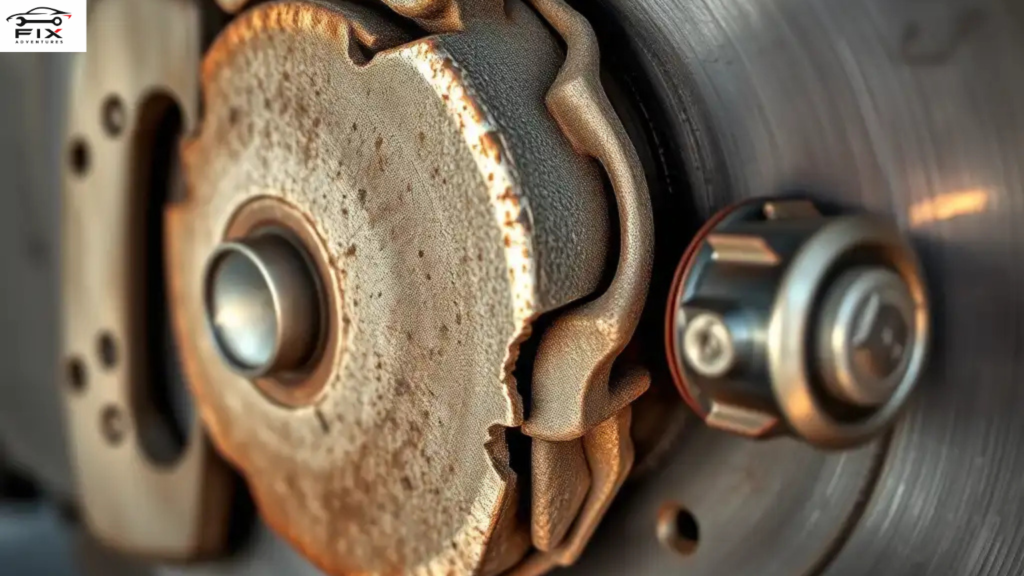
2. Worn Brake Pads or Discs
Brake pads wear down over time due to friction. When they become too thin, the system may trigger a fault warning.
Signs to watch for:
- Squealing or grinding noise
- Vibrations when braking
- Reduced braking efficiency
Fix:
Replace worn brake pads or discs immediately to maintain safety.
3. Faulty ABS Sensor
Renault vehicles rely heavily on ABS sensors to monitor wheel speed. If one of these sensors fails, the system may display a braking fault warning.
Symptoms:
- ABS warning light
- Loss of traction control
- Irregular braking behavior
Fix:
A diagnostic scan can identify the faulty sensor, which can then be cleaned or replaced.
4. Brake Light Switch Failure
The brake light switch plays a role in communication between systems. If it fails, your car might think there’s a braking issue.
Indicators:
- Brake lights not working
- Cruise control malfunction
- Dashboard warning message
Fix:
Replace the faulty switch—it’s usually inexpensive and easy to install.
5. Electrical or Wiring Issues
Modern Renault cars depend on electronic systems. A loose wire or blown fuse can trigger a braking system fault.
Symptoms:
- Intermittent warning messages
- Multiple warning lights
- System resets temporarily
Fix:
Inspect wiring and fuses or consult a professional mechanic for a thorough check.
6. Brake Master Cylinder Problems
The master cylinder is the heart of your braking system. If it fails, braking performance is seriously compromised.
Warning signs:
- Brake pedal sinks to the floor
- Fluid leaks near the cylinder
- Complete loss of braking power
Fix:
Immediate replacement is necessary—this is not a DIY fix for beginners.
How to Diagnose the Problem
Step 1: Check Dashboard Indicators
Look for additional warning lights such as ABS or ESP. These can help narrow down the issue.
Step 2: Inspect Brake Fluid
Open the hood and check the brake fluid level. Make sure it’s within the recommended range.
Step 3: Listen for Unusual Sounds
Grinding or squealing noises usually point to worn brake components.
Step 4: Use an OBD Scanner
A diagnostic tool can read error codes and pinpoint the exact issue.
Is It Safe to Drive With This Warning?
Let’s be clear: driving with a braking system fault is risky.
While your car might still move, braking efficiency could be reduced. In emergency situations, this can lead to accidents.
Recommendation:
If the warning appears:
- Avoid high-speed driving
- Keep a safe distance from other vehicles
- Get your car checked as soon as possible
How Much Does It Cost to Fix?
Repair costs depend on the root cause:
| Issue | Estimated Cost |
|---|---|
| Brake fluid top-up | Low |
| Brake pad replacement | Moderate |
| ABS sensor replacement | Moderate |
| Master cylinder repair | High |
| Electrical issues | Varies |
Regular maintenance can help you avoid expensive repairs.
Braking System Fault Renault Preventive Maintenance Tips
Keeping your Renault’s braking system in top condition isn’t difficult. Here’s how:
1. Check Brake Fluid Regularly
Make it a habit to inspect fluid levels every few months.
2. Replace Brake Pads on Time
Don’t wait until they’re completely worn out.
3. Schedule Routine Inspections
A yearly brake inspection can catch problems early.
4. Avoid Aggressive Driving
Sudden braking wears out components faster.
5. Keep Sensors Clean
Dirt and debris can interfere with ABS sensors.
When Should You See a Mechanic?
You should seek professional help if:
- The warning message doesn’t go away
- You notice reduced braking performance
- There are unusual noises or vibrations
- The brake pedal feels different
Ignoring these signs can lead to more serious (and expensive) problems.
Final Thoughts
The “braking system fault Renault” warning is not just another dashboard message—it’s a critical alert that demands attention. Whether it’s something simple like low brake fluid or a more complex issue like a failing master cylinder, addressing it early can save you time, money, and most importantly, keep you safe on the road.
If you ever see this warning, don’t delay. A quick inspection today can prevent a dangerous situation tomorrow.
Frequently Asked Questions (FAQs)
What causes braking system fault Renault message?
It can be caused by low brake fluid, worn brake pads, faulty sensors, or electrical issues.
Can I drive with a braking system fault warning?
It’s not recommended. Driving with compromised brakes can be dangerous.
How do I reset the braking system warning?
Fix the underlying issue first. In some cases, the system resets automatically; otherwise, a diagnostic tool may be required.
How often should I check my brakes?
At least once every 6–12 months or whenever you notice unusual behavior.

If you’ve ever found yourself staring at your car, wondering what went wrong or how to fix it without spending a fortune, you’re in the right place. FixAdventures was built for people who want practical, honest, and easy-to-understand car repair advice — without the fluff or confusing jargon.