Check Injection System: Causes, Fixes, and What You Should Do
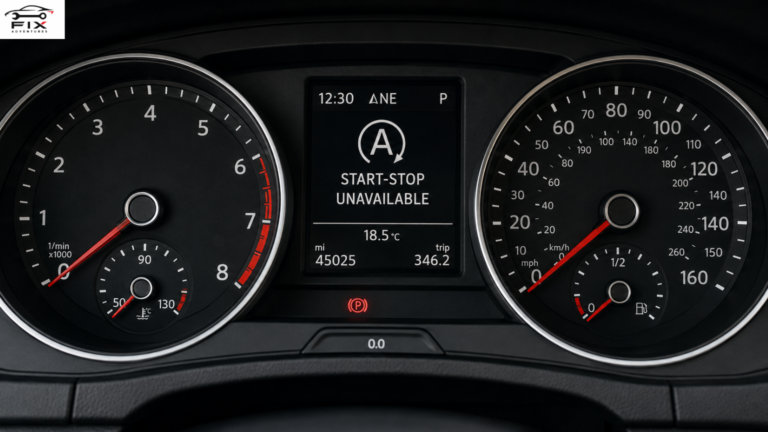
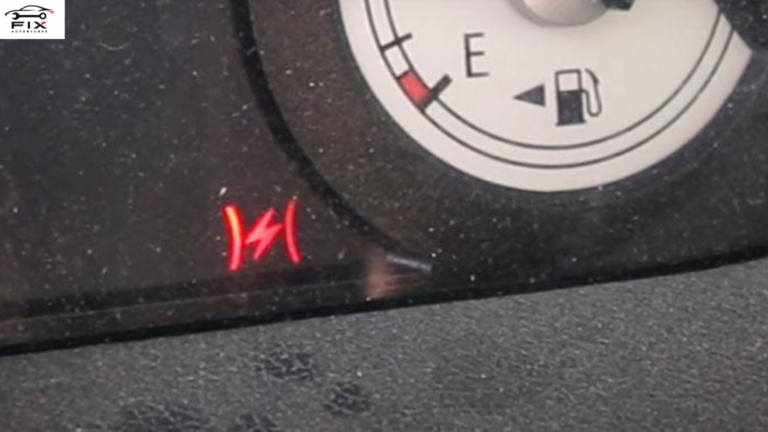
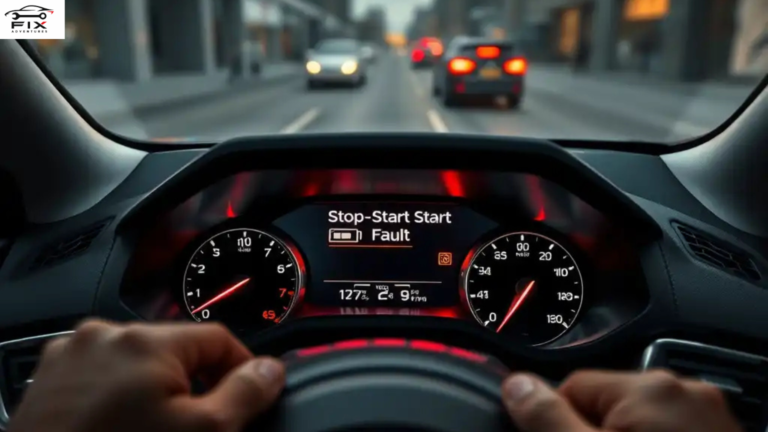
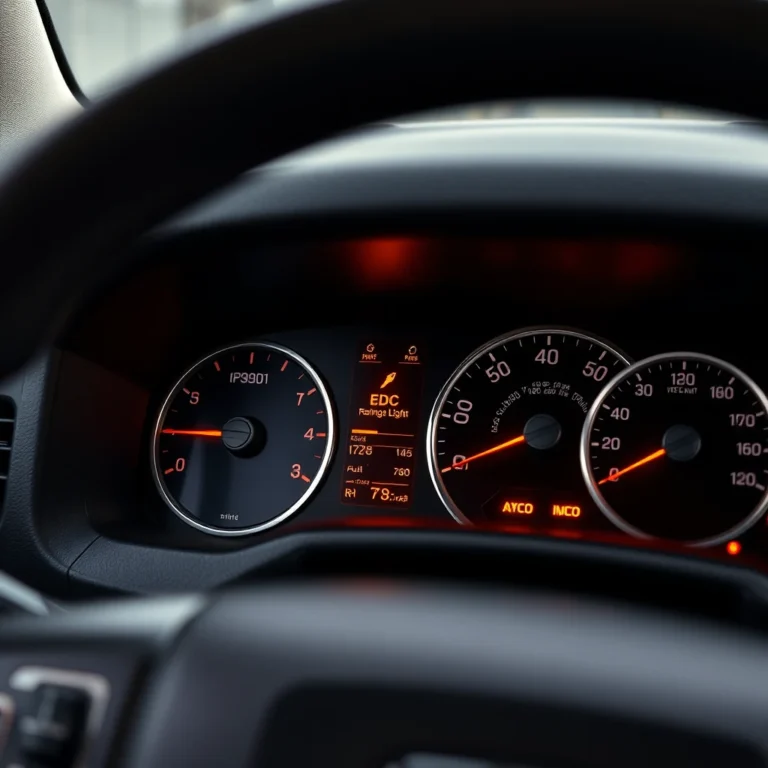
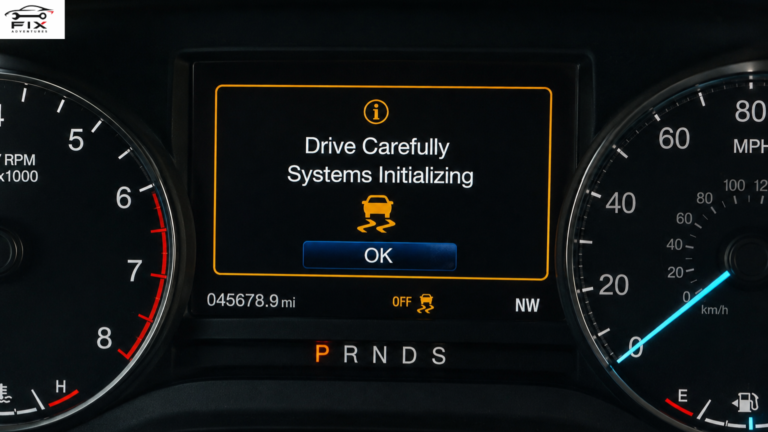
If you’ve ever been driving and suddenly noticed a warning saying “check injection system”, you’re not alone. This message can be confusing, especially if your car seems to be running fine—or sometimes, not fine at all.
In this guide, I’ll break everything down in simple terms. You’ll learn what the check injection system warning means, what causes it, how to fix it, and when you should take your car to a mechanic.
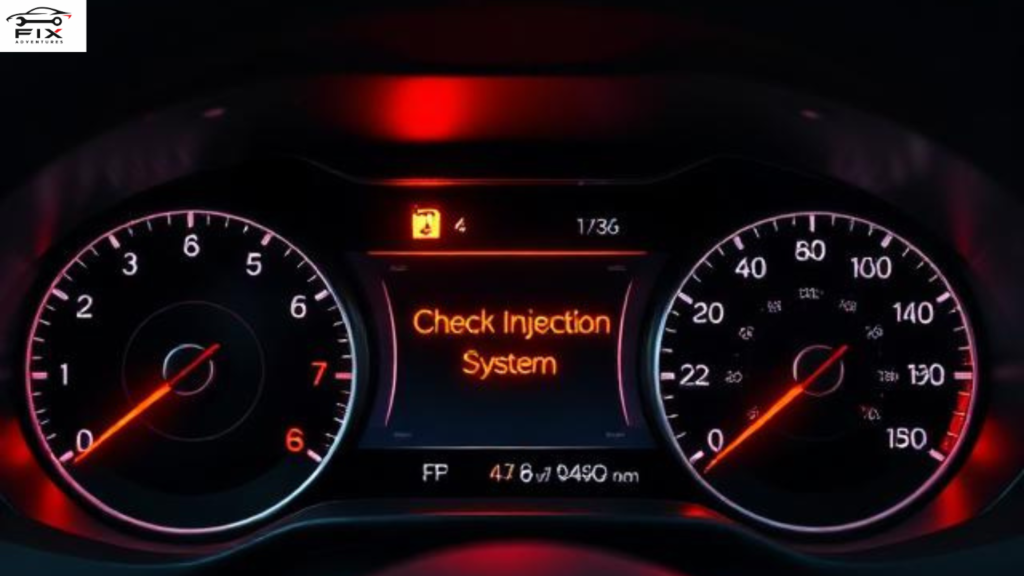
What Does “Check Injection System” Mean?
The check injection system warning is your car’s way of telling you something isn’t right with the fuel injection system.
Your fuel injection system is responsible for:
- Delivering fuel to the engine
- Mixing fuel with air in the correct ratio
- Ensuring efficient combustion
When something goes wrong in this system, your engine may not get the proper fuel supply, leading to performance issues.
How the Fuel Injection System Works
Before diving into the problems, it helps to understand how the system works.
Key Components of the Injection System
1. Fuel Pump
Pumps fuel from the tank to the engine.
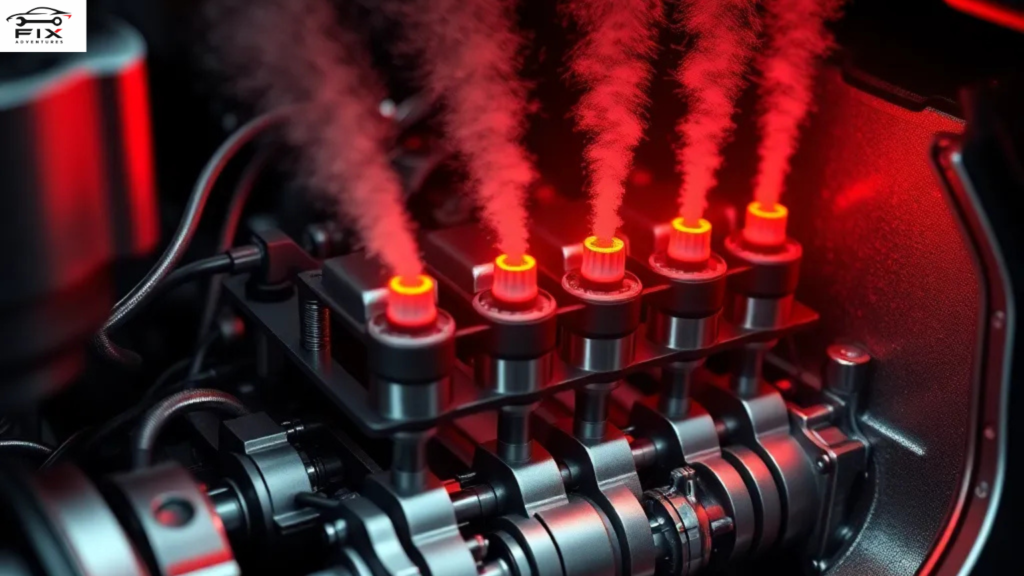
2. Fuel Injectors
Spray fuel into the combustion chamber in precise amounts.
3. Fuel Filter
Removes dirt and debris from fuel.
4. Engine Control Unit (ECU)
Controls when and how much fuel is injected.
5. Sensors
Monitor air intake, temperature, and pressure.
If any of these parts fail or send incorrect data, the check injection system warning may appear.
Common Causes of Check Injection System Warning
Let’s go through the most common reasons this warning shows up.
1. Faulty Fuel Injectors
Fuel injectors can:
- Get clogged
- Leak
- Fail electrically
When injectors don’t spray fuel properly, your engine struggles to run smoothly.
Symptoms:
- Rough idling
- Engine misfires
- Poor fuel economy
2. Clogged Fuel Filter
A dirty fuel filter restricts fuel flow to the engine.
Symptoms:
- Engine hesitation
- Difficulty starting
- Loss of power
3. Bad Fuel Pump
If the fuel pump isn’t delivering enough pressure, your engine won’t get the fuel it needs.
Symptoms:
- Engine stalling
- Hard starting
- Whining noise from the fuel tank
4. Sensor Malfunctions
Sensors play a huge role in modern engines.
Common sensors involved:
- Oxygen sensor
- Mass airflow sensor (MAF)
- Fuel pressure sensor
If these send incorrect readings, the ECU may trigger the warning.
5. Dirty or Poor-Quality Fuel
Low-quality fuel can:
- Cause injector clogging
- Reduce combustion efficiency
This is a surprisingly common cause.
6. Electrical Issues
Wiring problems or faulty connections can interrupt signals between components.
Examples:
- Loose connectors
- Damaged wiring harness
7. ECU Problems
Although rare, the ECU itself can malfunction.
Symptoms That Come With Check Injection System Warning
When this warning appears, you may notice additional issues.
Engine Performance Problems
- Loss of power
- Sluggish acceleration
Starting Issues
- Hard start
- No start
Increased Fuel Consumption
- More trips to the gas station
Warning Lights
- Check engine light
- Other dashboard alerts
Smoke From Exhaust
- Black smoke (too much fuel)
- White smoke (improper combustion)
Is It Safe to Drive With This Warning?
Short answer: It depends—but don’t ignore it.
When It Might Be Safe (Short-Term)
- No major performance issues
- Car runs smoothly
When You Should Stop Driving
- Engine misfiring
- Severe power loss
- Strange noises
- Excessive smoke
Ignoring the warning can lead to:
- Engine damage
- Expensive repairs
How to Diagnose the Problem
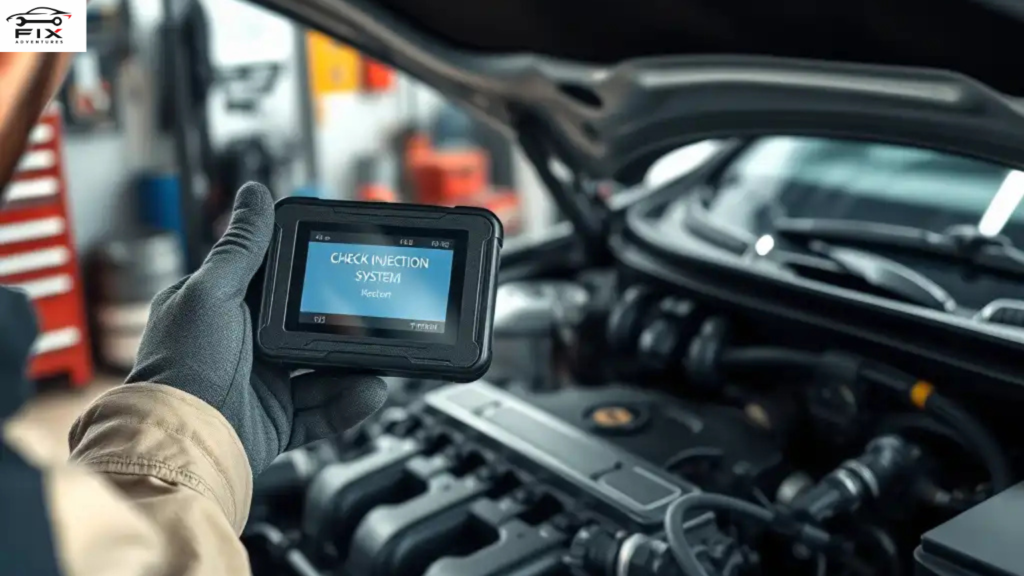
Step 1: Use an OBD2 Scanner
An OBD2 scanner reads error codes from your car’s computer.
Common codes include:
- Fuel pressure issues
- Injector circuit problems
- Sensor failures
Step 2: Check Fuel Quality
Ask yourself:
- Did you recently refuel at a new station?
- Is the fuel old or contaminated?
Step 3: Inspect Fuel System Components
Check:
- Fuel lines
- Injectors
- Filter
Step 4: Look for Visible Damage
Inspect wiring and connectors for:
- Wear
- Corrosion
- Loose connections
How to Fix Check Injection System Warning
Now let’s talk solutions.
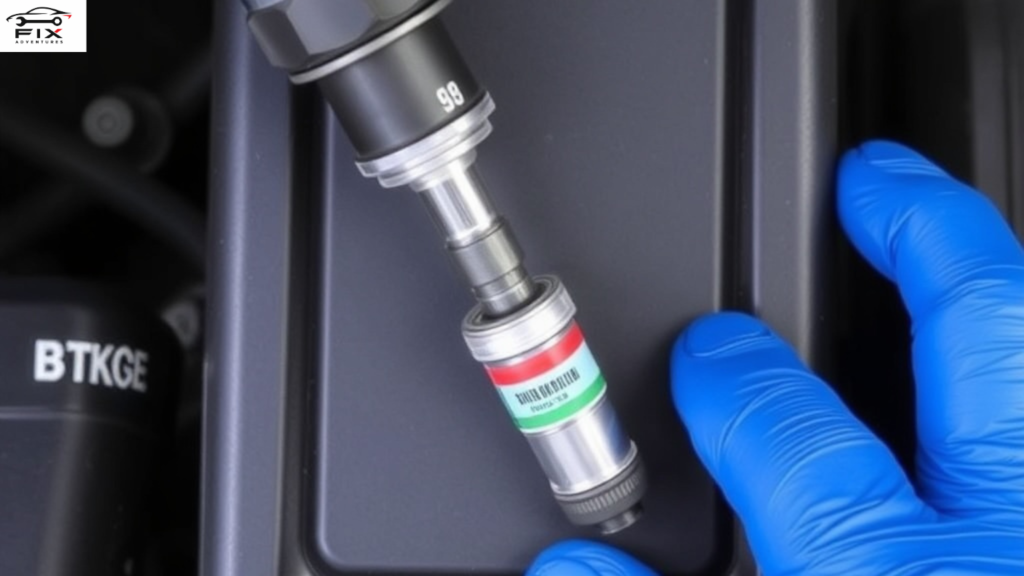
1. Clean or Replace Fuel Injectors
You can:
- Use injector cleaner
- Get professional cleaning
- Replace faulty injectors
2. Replace Fuel Filter
A clogged filter is cheap and easy to fix.
3. Fix or Replace Fuel Pump
If the pump is failing, replacement is usually required.
4. Replace Faulty Sensors
Common replacements:
- Oxygen sensor
- MAF sensor
5. Repair Electrical Issues
Fix damaged wiring or loose connections.
6. Reset ECU (After Fix)
After repairs:
- Clear error codes
- Reset ECU
Preventing Injection System Problems
Prevention is always cheaper than repair.
Use High-Quality Fuel
Avoid low-grade or contaminated fuel.
Replace Fuel Filter Regularly
Follow your car’s maintenance schedule.
Add Fuel System Cleaner
Use occasionally to prevent buildup.
Regular Servicing
Routine inspections help catch issues early.
Avoid Running on Low Fuel
This can damage the fuel pump over time.
Cost of Fixing Check Injection System
Costs vary depending on the problem.
Estimated Costs:
- Fuel injector cleaning: $50 – $150
- Injector replacement: $150 – $500 each
- Fuel pump replacement: $300 – $1000
- Sensor replacement: $100 – $400
- Fuel filter: $20 – $100
When to See a Mechanic
You should visit a professional if:
- The warning doesn’t go away
- The car runs poorly
- You’re unsure about the issue
Delaying repairs can turn a small issue into a major one.
Final Thoughts
The check injection system warning isn’t something you should ignore. While it might be caused by something simple like a clogged filter or dirty fuel, it can also point to more serious issues like failing injectors or fuel pump problems.

If you’ve ever found yourself staring at your car, wondering what went wrong or how to fix it without spending a fortune, you’re in the right place. FixAdventures was built for people who want practical, honest, and easy-to-understand car repair advice — without the fluff or confusing jargon.