Power Steering Assist Fault Message: Causes, Symptoms, and Easy Fixes
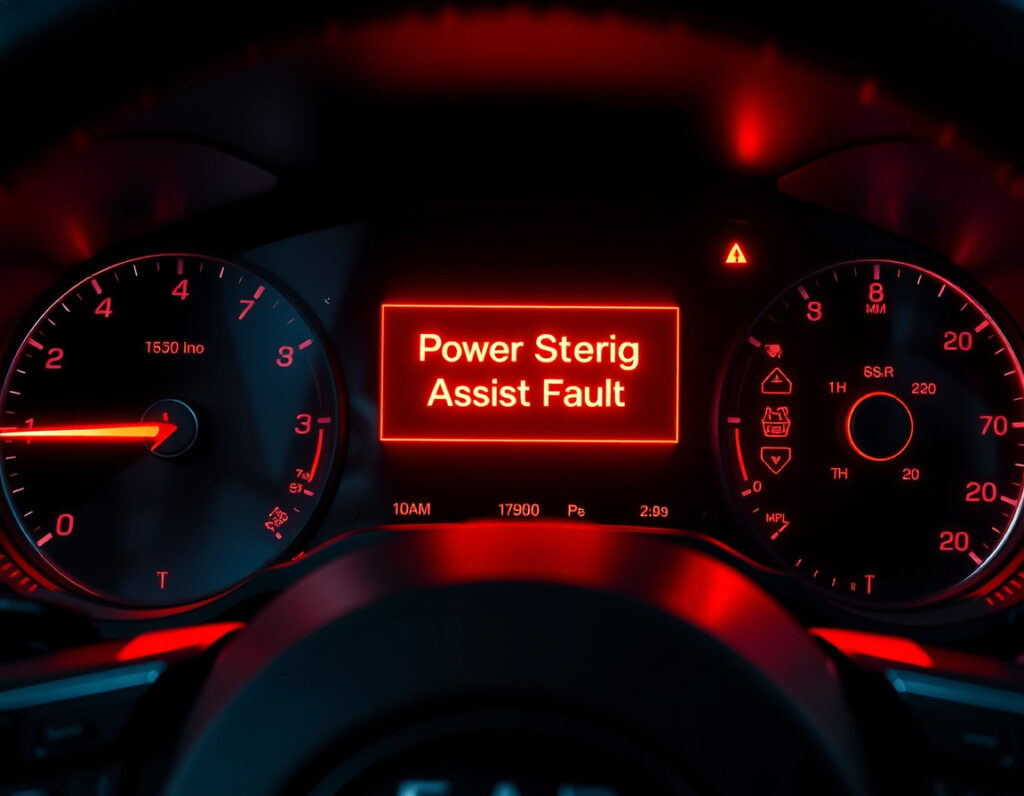
If you’ve ever started your car and suddenly noticed a “Power Steering Assist Fault” message on the dashboard, it can feel frustrating and confusing. One moment, your steering feels smooth, and the next it becomes stiff and difficult to turn. This warning is more common in modern vehicles than many drivers realize, especially in cars equipped with electronic power steering systems.
In this guide, you’ll learn everything about the power steering assist fault message, including what causes it, warning signs, how to diagnose it, and the best ways to fix it before it becomes a bigger problem.
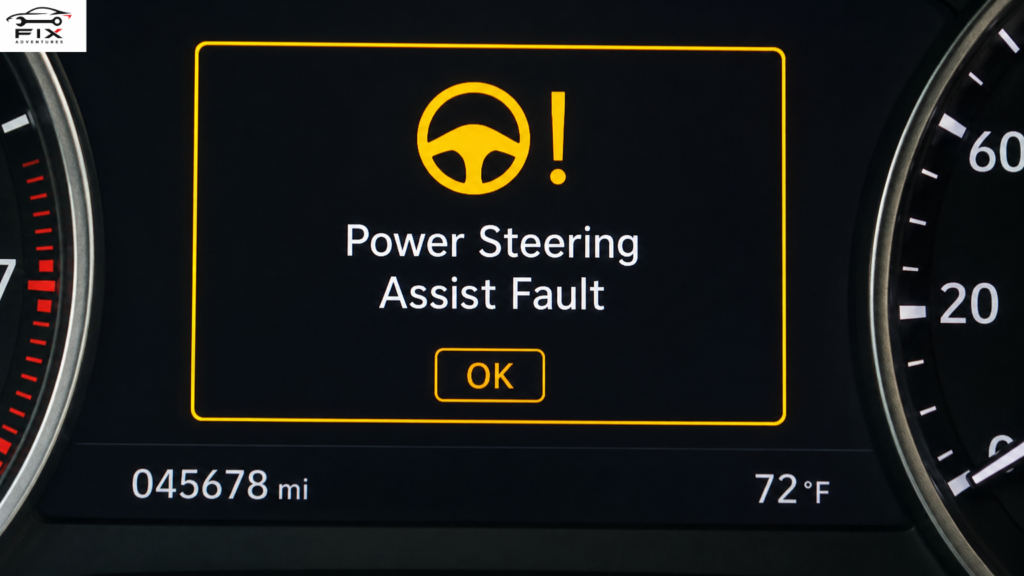
What Does Power Steering Assist Fault Mean?
The power steering assist fault message appears when the vehicle detects a problem in the steering assist system. Modern cars use either:
- Hydraulic power steering
- Electric power steering (EPS)
- Electro-hydraulic steering systems
When one of these systems stops working properly, the steering wheel becomes harder to turn, especially at lower speeds.
The fault message is basically your car’s way of saying:
“The steering assist system is not functioning correctly.”
Ignoring this warning can make driving unsafe, particularly during parking or sharp turns.
How Power Steering Assist Works
Before fixing the problem, it helps to understand how the system operates.
Hydraulic Power Steering
Older vehicles use hydraulic fluid and a pump to reduce steering effort. When the pump fails or fluid becomes low, steering gets heavy.
Electric Power Steering (EPS)
Modern vehicles use an electric motor and sensors instead of hydraulic fluid. The EPS system receives information from sensors and provides steering assistance electronically.
Electric systems are more fuel-efficient but can produce electronic faults more often.
Common Symptoms of a Power Steering Assist Fault Message
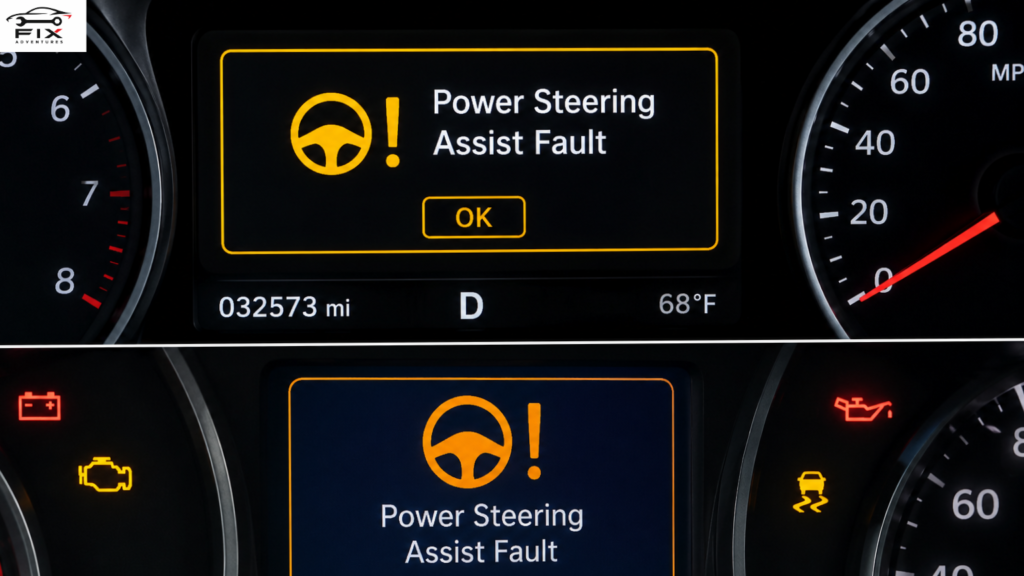
When this issue appears, you may notice several warning signs.
Hard Steering Wheel
The steering wheel suddenly becomes stiff or difficult to turn.
Dashboard Warning Light
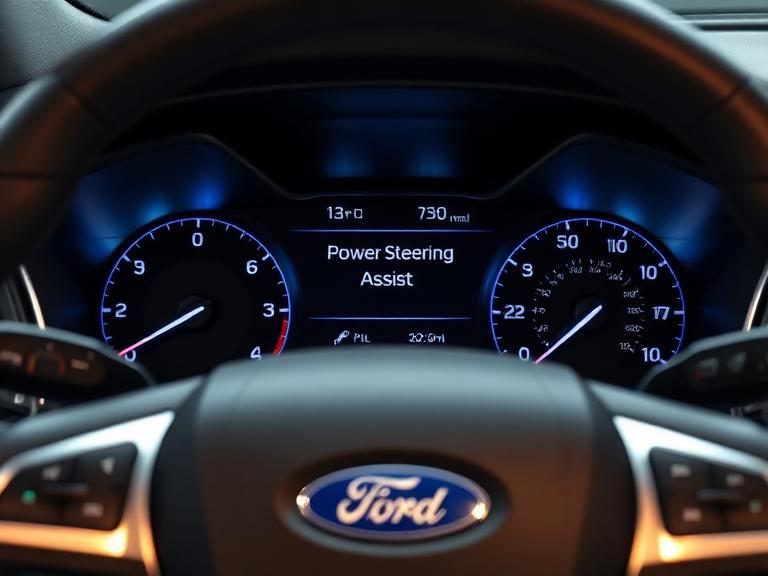
A steering wheel icon or warning message may appear on the instrument cluster.
Intermittent Steering Problems
Sometimes the steering works normally, then suddenly becomes hard again.
Whining or Grinding Noise
Hydraulic systems may produce noises when the pump struggles.
Vehicle Pulling to One Side
Faulty steering sensors can cause uneven steering assistance.
Loss of Steering Assist at Low Speeds
Parking becomes extremely difficult because steering requires more force.
Main Causes of Power Steering Assist Fault Message
There are several reasons why this warning appears.
Low Power Steering Fluid
Hydraulic systems require proper fluid levels. Low fluid often happens because of leaks.
Signs of Low Fluid
- Whining noise
- Steering stiffness
- Fluid spots under the car
Faulty Power Steering Pump
The pump creates hydraulic pressure. If it fails, the system loses steering assistance.
Common Symptoms
- Groaning sounds
- Heavy steering
- Burning smell
Weak or Dead Battery
Electric power steering systems rely heavily on battery voltage.
A weak battery can trigger the fault message even if the steering system itself is fine.
Bad Alternator
If the alternator doesn’t charge the battery properly, voltage drops can disable the EPS system.
Faulty Steering Angle Sensor
This sensor tells the vehicle how much the steering wheel is turning.
When it fails, the computer may disable steering assist for safety reasons.
Damaged Wiring or Loose Connections
Corroded connectors or damaged wiring can interrupt communication with the EPS module.
Failed EPS Motor
The electric motor inside the steering rack can wear out over time.
This repair is usually expensive.
Blown Fuse
A simple blown fuse can disable the entire steering assist system.
Software or Module Failure
Modern cars depend on software updates and control modules. Sometimes reprogramming fixes the issue.
Vehicles Commonly Affected by Power Steering Assist Fault
This warning can happen in many vehicles, but some models experience it more frequently.
Ford Vehicles
Many drivers report the issue in:
- Ford Fusion
- Ford Escape
- Ford Focus
Chevrolet Models
Some common affected models include:
- Chevrolet Malibu
- Chevrolet Equinox
Honda and Toyota Vehicles
Even reliable brands can develop steering assist faults due to sensors or electrical problems.
Is It Safe to Drive With a Power Steering Assist Fault?
Technically, the car may still move, but driving is not recommended.
Without steering assist:
- Steering becomes difficult
- Emergency maneuvers are harder
- Parking becomes dangerous
- Driver fatigue increases
If the steering suddenly becomes extremely heavy, stop driving and inspect the vehicle immediately.
How to Diagnose Power Steering Assist Fault Message

Proper diagnosis helps avoid replacing unnecessary parts.
Step 1: Check the Battery Voltage
Low voltage is one of the most common causes.
Use a multimeter:
- Engine off: around 12.6 volts
- Engine running: around 13.5–14.5 volts
If the voltage is low, inspect the battery and alternator first.
Step 2: Inspect Power Steering Fluid
For hydraulic systems:
- Open the reservoir
- Check fluid level
- Look for dark or contaminated fluid
Low fluid usually indicates a leak.
Step 3: Scan for Trouble Codes
Use an OBD2 scanner to read steering-related fault codes.
Common codes may include:
- U3000
- C200B
- C1B00
These codes help pinpoint the exact issue.
Step 4: Inspect Fuses
Locate the EPS or steering fuse in the fuse box.
A blown fuse may instantly disable steering assist.
Step 5: Examine Wiring
Look for:
- Corrosion
- Loose connectors
- Damaged wires
Electrical problems are very common in EPS systems.
How to Fix Power Steering Assist Fault Message
The solution depends on the root cause.
Refill Power Steering Fluid
If fluid is low:
- Use the manufacturer-recommended fluid
- Fill to the proper level
- Bleed air from the system
Never overfill the reservoir.
Replace the Battery
Weak batteries often cause electronic steering faults.
Many drivers fix the issue simply by installing a new battery.
Repair Fluid Leaks
Common leak locations include:
- Steering rack
- Hoses
- Pump seals
Leaks should be repaired quickly to prevent pump damage.
Replace the Power Steering Pump
If the pump fails, replacement restores hydraulic pressure.
Typical symptoms include whining noises and stiff steering.
Reset the Steering System
Some vehicles require recalibration after repairs.
This may involve:
- Turning the wheel lock-to-lock
- Using a scan tool
- Performing a software reset
Replace the EPS Motor or Steering Rack
In severe cases, the entire steering rack assembly may need replacement.
This is usually the most expensive repair.
Average Repair Costs
Repair prices vary depending on the problem and vehicle model.
| Repair Type | Estimated Cost |
|---|---|
| Power steering fluid refill | $20–$80 |
| Battery replacement | $100–$300 |
| Fuse replacement | $10–$50 |
| Steering angle sensor | $150–$500 |
| Power steering pump | $300–$900 |
| EPS motor replacement | $800–$2,000 |
Luxury vehicles may cost even more.
How to Prevent Power Steering Assist Fault Problems
Preventive maintenance can save thousands in repairs.
Maintain Battery Health
Replace weak batteries early and keep terminals clean.
Check Steering Fluid Regularly
Inspect fluid monthly for leaks or contamination.
Avoid Holding the Wheel at Full Lock
Keeping the wheel turned fully left or right for too long stresses the steering system.
Fix Electrical Problems Quickly
Ignoring warning lights can lead to bigger failures later.
Keep Connections Clean
Corrosion around connectors can trigger electronic steering faults.
Can a Bad Battery Cause a Power Steering Assist Fault?
Yes — absolutely.
Modern EPS systems require stable voltage. A failing battery can trigger warning messages such as:
- Power steering assist fault
- Service power steering
- Steering assist reduced
Many drivers mistakenly replace steering components when the real issue is simply a weak battery.
Can Cold Weather Trigger This Warning?
Cold weather can contribute to steering assist issues because:
- Batteries lose power in freezing temperatures
- Steering fluid thickens
- Electrical resistance increases
If the message appears only during cold mornings, test the battery first.
When to See a Mechanic
You should visit a mechanic if:
- Steering becomes dangerously stiff
- The warning keeps returning
- You hear grinding noises
- Fluid leaks are visible
- The car pulls unexpectedly
Professional diagnostics can save time and prevent unnecessary repairs.
Frequently Asked Questions
Can I Reset the Power Steering Assist Fault Myself?
Sometimes yes. Disconnecting the battery for a few minutes may temporarily clear the message, but the underlying issue must still be repaired.
Will the Fault Message Go Away on Its Own?
Occasionally, the message disappears temporarily, especially if caused by low voltage. However, recurring warnings usually indicate a real problem.
Does Low Tire Pressure Cause Steering Faults?
Usually no, but improper tire pressure can affect steering feel and confuse steering angle sensors in some vehicles.
How Long Does It Take to Repair?
Simple fixes like battery replacement may take under an hour. Steering rack replacements can take several hours.
Final Thoughts
The power steering assist fault message should never be ignored. While the problem may be something minor like a weak battery or blown fuse, it can also indicate serious steering system failure.
The good news is that early diagnosis often prevents expensive repairs. Start

If you’ve ever found yourself staring at your car, wondering what went wrong or how to fix it without spending a fortune, you’re in the right place. FixAdventures was built for people who want practical, honest, and easy-to-understand car repair advice — without the fluff or confusing jargon.