Audi Stabilization Control Fault: Causes, Fixes, and Prevention Guide
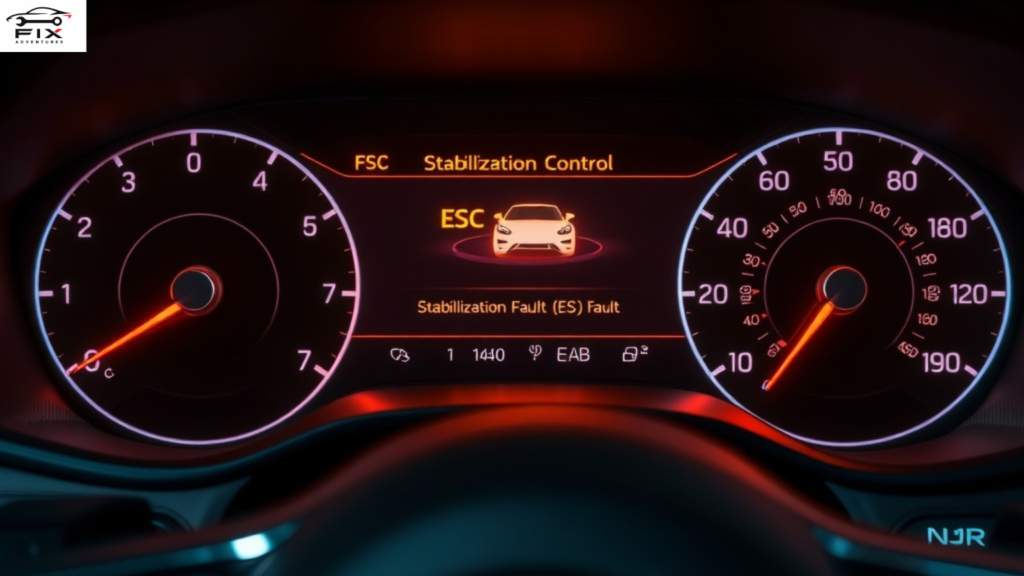
If you drive an Audi and suddenly see a warning about an “audi stabilization control fault”, it can feel alarming. This system is critical for your vehicle’s safety, especially during slippery road conditions or sudden maneuvers. Ignoring it isn’t a smart move—but the good news is that many causes are easy to diagnose and fix.
In this guide, I’ll break everything down in plain English—what this fault means, why it happens, how to fix it, and how to prevent it in the future.
What Is Audi Stabilization Control?
Audi stabilization control, often called ESC (Electronic Stability Control) or ESP (Electronic Stability Program), is a system designed to keep your car stable on the road.
It works by:
- Monitoring wheel speed
- Detecting steering angle
- Adjusting braking force on individual wheels
- Reducing engine power if needed
In simple terms, it helps prevent skidding, sliding, or losing control—especially during sharp turns or wet conditions.
What Does “Audi Stabilization Control Fault” Mean?

When you see the warning “audi stabilization control fault”, it means the system has detected a problem and is either:
- Partially disabled
- Completely turned off
This can affect your vehicle’s ability to maintain traction and stability, making driving riskier—particularly in rain, snow, or uneven terrain.
Common Causes of Audi Stabilization Control Fault
Let’s look at the most common reasons this warning pops up.
1. Faulty Wheel Speed Sensors
Wheel speed sensors play a key role in tracking how fast each wheel is rotating.
Symptoms:
- Warning light appears suddenly
- ABS may stop working
- Traction control becomes inactive
Fix:
Replace the faulty sensor. This is one of the most common and affordable fixes.
2. Bad Steering Angle Sensor
This sensor tells the system how much you’re turning the steering wheel.
Symptoms:
- Stability control warning
- Incorrect steering response
Fix:
Recalibration or replacement of the sensor.
3. ABS System Issues
Since ESC works closely with the ABS system, any issue here can trigger the fault.
Possible problems:
- Damaged ABS module
- Blown fuse
- Wiring issues
Fix:
Scan the system and repair or replace faulty components.
4. Low Battery Voltage
Believe it or not, a weak battery can trigger multiple warning lights, including stabilization control.
Symptoms:
- Multiple dashboard warnings
- Car struggles to start
Fix:
Charge or replace the battery.
5. Faulty Brake Switch
The brake light switch sends signals to the stability system.
Symptoms:
- Brake lights not working properly
- Warning message appears intermittently
Fix:
Replace the brake switch—it’s inexpensive and easy.
6. Damaged Wiring or Connectors
Wiring issues can interrupt communication between sensors and the control module.
Symptoms:
- Random warning lights
- Intermittent system failure
Fix:
Inspect and repair wiring connections.
7. ECU or Control Module Failure
In rare cases, the problem lies in the car’s main control unit.
Symptoms:
- Persistent warning even after repairs
- Multiple system failures
Fix:
Reprogram or replace the module.
How to Diagnose Audi Stabilization Control Fault

Before replacing parts blindly, proper diagnosis is key.
Step 1: Use an OBD2 Scanner
Plug in an OBD2 scanner to read error codes. This tells you exactly what’s wrong.
Step 2: Check Dashboard Warning Lights
Look for:
- ABS light
- Traction control light
- Check engine light
These clues help narrow down the issue.
Step 3: Inspect Sensors and Wiring
Visually check:
- Wheel sensors
- Brake components
- Electrical connections
Step 4: Test Battery Voltage
Make sure your battery is delivering proper voltage.
How to Fix Audi Stabilization Control Fault

Here are practical solutions depending on the cause.
Quick Fixes You Can Try First
- Restart the car (sometimes resets minor glitches)
- Check battery terminals
- Inspect fuses
Replace Faulty Sensors
If a sensor is the issue:
- Remove the old sensor
- Install a new one
- Clear the error code
Reset the System
After repairs, use an OBD2 scanner to clear the fault code.
Professional Repair
If the issue is complex (like ECU failure), it’s best to visit a certified mechanic.
Is It Safe to Drive With This Fault?
Short answer: Not recommended.
You can drive short distances, but:
- Stability control won’t assist you
- Risk of skidding increases
- Safety is compromised
Avoid driving in:
- Rain
- Snow
- High-speed conditions
Cost to Fix Audi Stabilization Control Fault
Here’s a rough idea of repair costs:
| Problem | Estimated Cost |
|---|---|
| Wheel speed sensor | $50 – $200 |
| Steering angle sensor | $150 – $400 |
| Brake switch | $20 – $100 |
| ABS module | $300 – $1000 |
| ECU repair | $500 – $1500 |
Costs vary depending on your Audi model and location.
How to Prevent Stabilization Control Issues
Prevention is always cheaper than repair. Here’s how you can avoid this problem:
1. Regular Maintenance
Stick to your service schedule.
2. Keep Sensors Clean
Dirt and debris can affect sensor readings.
3. Check Battery Health
Replace weak batteries early.
4. Avoid Rough Driving
Aggressive driving puts stress on sensors and systems.
5. Use Quality Parts
Cheap aftermarket parts can cause issues.
Signs You Shouldn’t Ignore
If you notice any of these, act fast:
- Car feels unstable while turning
- Brakes behave oddly
- Multiple warning lights appear
- Reduced engine power
These are clear signs your stabilization system needs attention.
FAQs About Audi Stabilization Control Fault
What triggers the Audi stabilization control fault?
Usually sensor failure, ABS issues, or low battery voltage.
Can I reset the fault myself?
Yes, using an OBD2 scanner—but only after fixing the root cause.
Does this affect braking?
Yes, since the system works with ABS, braking performance may be reduced.
Is it expensive to fix?
Not always. Many fixes are affordable, especially sensor replacements.
Final Thoughts
The audi stabilization control fault isn’t something to ignore—but it’s also not always a major problem. In many cases, it comes down to a faulty sensor, weak battery, or minor electrical issue.
The key is quick diagnosis and timely repair. If you stay on top of maintenance and pay attention to warning signs, you can keep your Audi running safely and smoothly.

If you’ve ever found yourself staring at your car, wondering what went wrong or how to fix it without spending a fortune, you’re in the right place. FixAdventures was built for people who want practical, honest, and easy-to-understand car repair advice — without the fluff or confusing jargon.