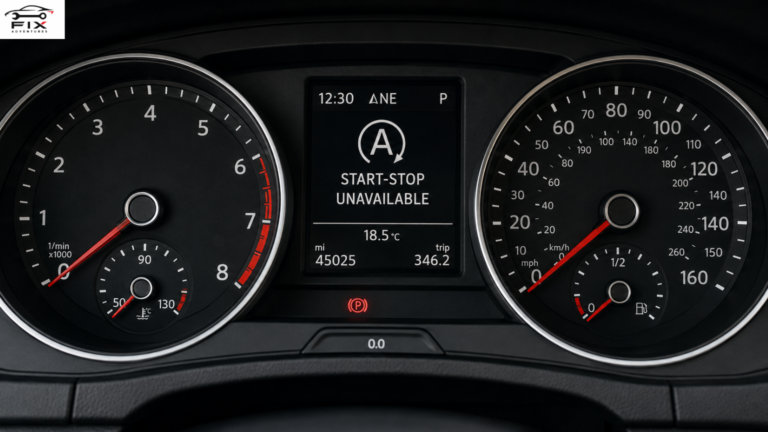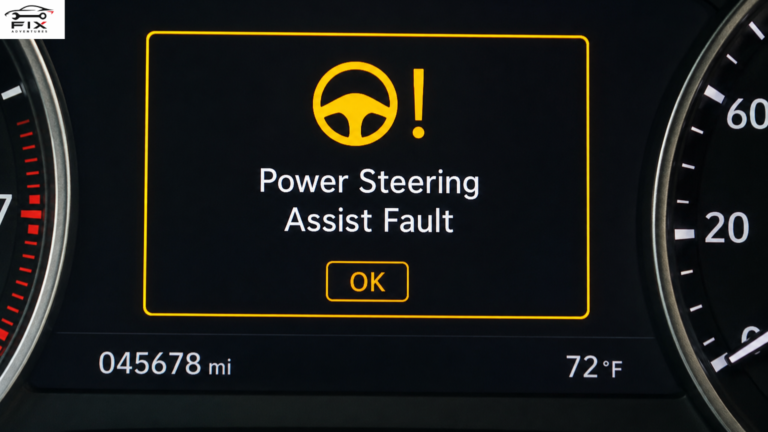
Chassis Control System Fault Nissan Qashqai – Causes, Fixes & Complete Guide
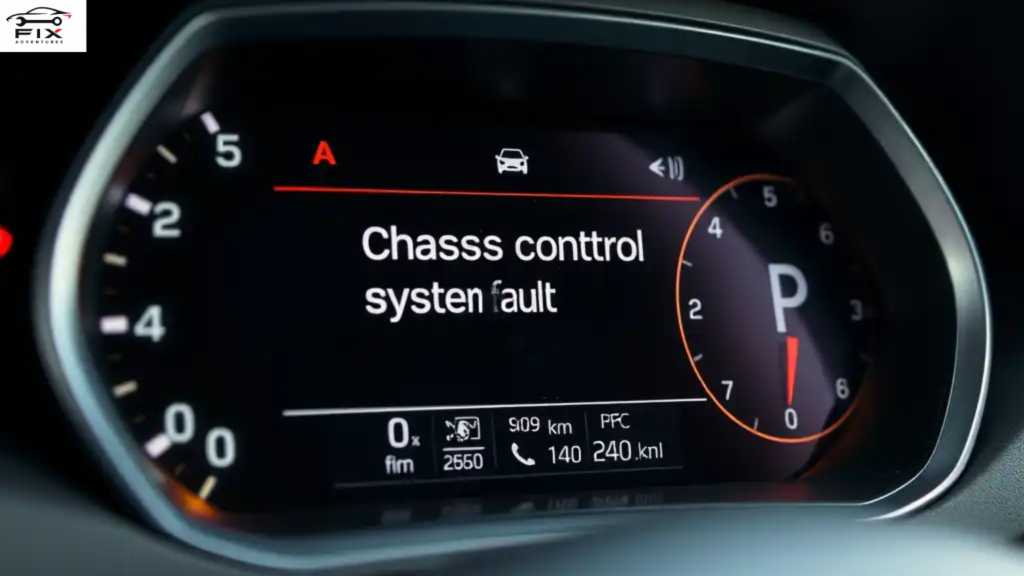
If you own a Nissan Qashqai and suddenly see a warning like “Chassis Control System Fault Nissan Qashqai” on your dashboard, it can feel confusing—and a little worrying. Don’t panic.
This issue is more common than you might think, and in many cases, it’s fixable without major expense.
In this complete guide, I’ll walk you through what the chassis control system fault means, why it happens, how to fix it, and how to prevent it in the future—all in a simple, human-friendly way.
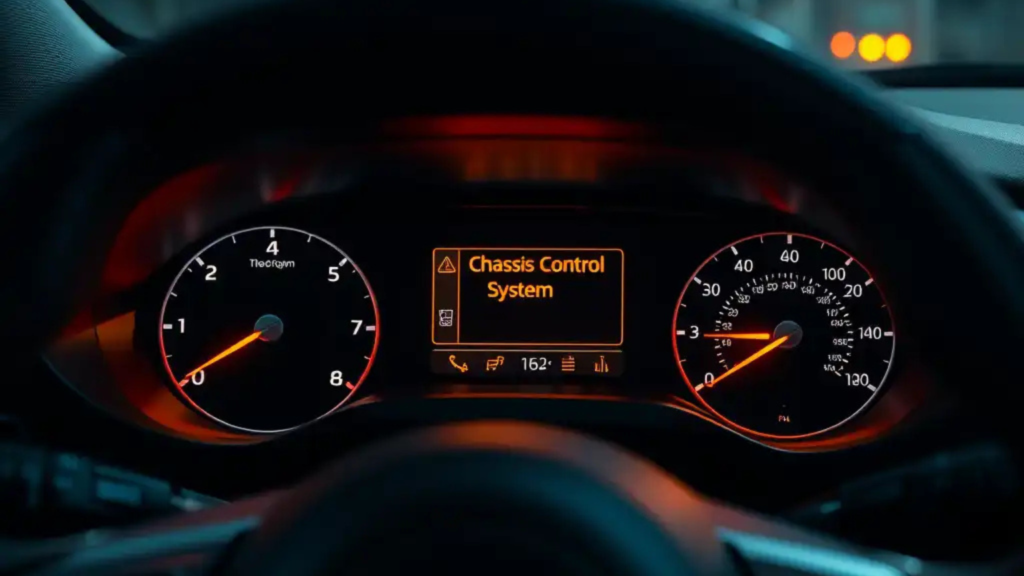
What Does “Chassis Control System Fault” Mean?
The chassis control system in your Nissan Qashqai is designed to improve stability, handling, and safety. It works behind the scenes using sensors and electronic controls to keep your car balanced, especially when:
- Turning corners
- Driving on uneven roads
- Braking suddenly
When the system detects something wrong, it triggers the chassis control system fault warning.
In simple terms:
👉 Your car is telling you that something affecting its stability or control system isn’t working properly.
How the Chassis Control System Works
Before diving into the fault, it helps to understand how the system operates.
Your Qashqai uses several advanced technologies, including:
1. Active Trace Control
Helps the car stay stable while cornering by adjusting braking on individual wheels.
2. Active Ride Control
Smooths out bumps by subtly applying brakes and managing suspension movement.
3. Engine and Brake Coordination
Works with systems like ABS (Anti-lock Braking System) and ESC (Electronic Stability Control).
All of these depend on sensors and electronic modules. If any component fails, the system may stop working—and that’s when you see the warning.
Common Causes of Chassis Control System Fault Nissan Qashqai
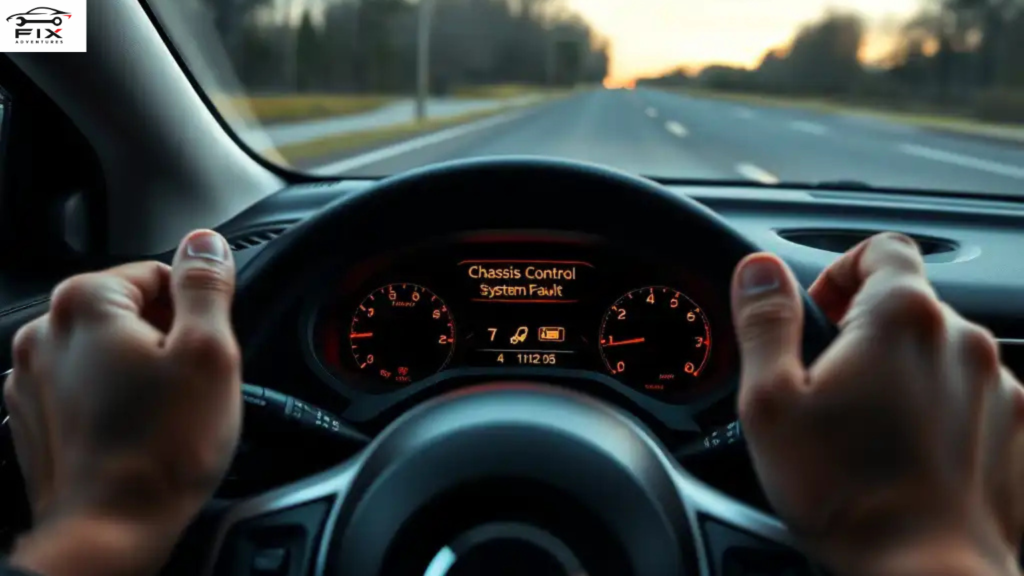
Let’s break down the most common reasons this warning appears.
1. Faulty Wheel Speed Sensors
These sensors monitor how fast each wheel is rotating. If one fails or gets dirty:
- The system receives incorrect data
- Stability control becomes unreliable
- Warning light appears
👉 This is one of the most common causes.
2. Weak or Dying Battery
Modern cars rely heavily on electronics. A low battery can cause:
- Random warning messages
- System malfunctions
- Sensor communication errors
👉 Sometimes, simply replacing the battery fixes the issue.
3. ABS System Problems
Since the chassis system relies on ABS, any issue here can trigger the fault.
Common ABS issues include:
- Damaged wiring
- Faulty ABS module
- Sensor misalignment
4. Steering Angle Sensor Issues
This sensor tells the car which direction you’re steering.
If it fails:
- The system can’t calculate stability correctly
- Warning light appears
5. Wiring or Electrical Faults
Loose connections or damaged wires can interrupt communication between systems.
This often happens due to:
- Wear and tear
- Moisture or corrosion
- Previous repair work
6. Brake System Irregularities
Since the chassis system uses braking adjustments, problems like:
- Worn brake pads
- Faulty brake pressure sensors
can trigger the warning.
7. Software Glitches
Sometimes, the issue isn’t mechanical at all.
- ECU (Engine Control Unit) bugs
- Outdated software
- Temporary system errors
👉 A simple reset or update can solve it.
Symptoms You Might Notice
Besides the dashboard warning, you may experience:
- Reduced stability while cornering
- Traction control light turning on
- Slightly rough or uneven ride
- ABS warning light appearing
- Reduced braking efficiency (in rare cases)
⚠️ Important: In many cases, the car is still drivable—but you should fix the issue as soon as possible.
How to Fix Chassis Control System Fault Nissan Qashqai
Now let’s talk about solutions. Some are simple DIY fixes, while others may need a mechanic.
Step 1: Restart the Car
Sounds basic, but it works sometimes.
- Turn off the engine
- Wait a few minutes
- Restart the car
👉 If it was a temporary glitch, the warning may disappear.
Step 2: Check the Battery
Use a multimeter or visit a local shop.
- Normal voltage: around 12.6V (engine off)
- Replace if weak
👉 Many electronic faults disappear after a battery replacement.
Step 3: Inspect Wheel Speed Sensors
Look for:
- Dirt or debris
- Damaged wiring
- Loose connections
Cleaning or replacing the sensor often fixes the issue.
Step 4: Scan for Error Codes
Use an OBD2 scanner to read fault codes.
Common codes may point to:
- ABS sensors
- Steering angle sensor
- Control module issues
👉 This step gives you a clear direction for repair.
Step 5: Reset the System
After fixing the issue:
- Clear the codes using a scanner
- Drive the car to see if the warning returns
Step 6: Visit a Professional Mechanic
If the issue persists, it’s best to get expert help.
A mechanic can:
- Perform advanced diagnostics
- Check control modules
- Update vehicle software
Repair Costs (Estimated)
Here’s a rough idea of what you might spend:
| Issue | Estimated Cost |
|---|---|
| Wheel speed sensor replacement | $50 – $150 |
| Battery replacement | $80 – $200 |
| ABS module repair | $300 – $800 |
| Steering angle sensor | $150 – $400 |
| Diagnostic scan | $50 – $100 |
👉 Costs vary depending on location and labor rates.
Can You Drive With This Fault?
Yes—but with caution.
When the chassis control system isn’t working:
- Stability features may be disabled
- Handling may not be optimal
- Safety systems may be limited
👉 Avoid aggressive driving and fix the issue quickly.
How to Prevent This Issue in the Future
Prevention is always better than repair. Here are some simple tips:
1. Maintain Your Battery
- Replace every 3–5 years
- Check voltage regularly
2. Keep Sensors Clean
- Avoid excessive dirt buildup
- Wash wheels carefully
3. Regular Vehicle Servicing
Routine checks help catch issues early.
4. Drive Carefully on Rough Roads
Harsh conditions can damage sensors and wiring.
5. Update Software When Needed
Ask your mechanic about ECU updates.
When Should You Worry?
You should take the issue seriously if:
- Multiple warning lights appear
- Braking feels different
- The warning doesn’t go away after a reset
- The car behaves unusually
👉 In these cases, get your vehicle checked immediately.
Final Thoughts
The chassis control system fault Nissan Qashqai warning might sound serious—and sometimes it is—but in many cases, it’s caused by something simple like a sensor or battery issue.
Here’s the key takeaway:
- Start with basic checks (battery, restart, sensors)
- Use a scanner for accurate diagnosis
- Don’t ignore the warning for too long
With the right approach, you can fix the problem quickly and keep your Qashqai running smoothly and safely.

If you’ve ever found yourself staring at your car, wondering what went wrong or how to fix it without spending a fortune, you’re in the right place. FixAdventures was built for people who want practical, honest, and easy-to-understand car repair advice — without the fluff or confusing jargon.