6.0 Powerstroke Firing Order: Complete Guide, Diagram Explanation & Engine Breakdown
If you’re working on a diesel engine like the 6.0L Power Stroke, understanding the firing order is not optional—it’s essential.
6.0 Powerstroke Firing Order, Whether you’re diagnosing a misfire, replacing injectors, or rebuilding the engine, the firing sequence plays a major role in smooth performance.
The Ford Power Stroke 6.0L is a V8 turbo-diesel engine widely used in heavy-duty trucks such as the Ford F-Series Super Duty lineup. Known for its power and torque, it also requires precise timing and cylinder coordination to run properly.
In this guide, you’ll learn the correct firing order, how the cylinders are arranged, why it matters, and how it helps in troubleshooting engine problems.
What Is the Firing Order in an Engine?
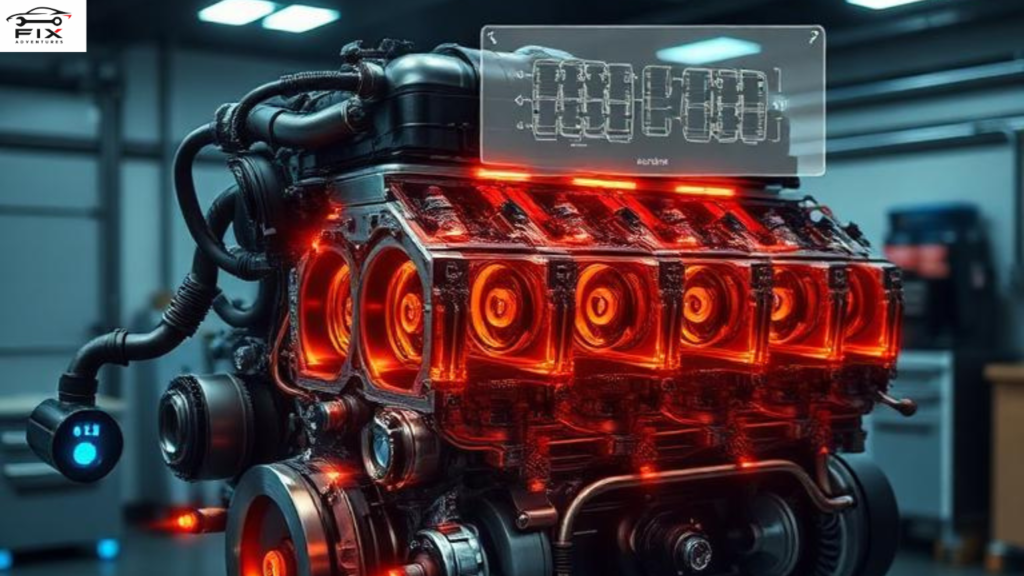
The firing order is the exact sequence in which each cylinder in an engine ignites its air-fuel mixture. In a V8 engine like the 6.0 Power Stroke, eight cylinders fire in a carefully designed order to:
- Balance engine vibrations
- Improve smoothness
- Reduce stress on the crankshaft
- Optimize fuel combustion
- Ensure proper exhaust flow
If the firing order is wrong, even slightly, the engine can misfire, shake heavily, or fail to start.
6.0 Powerstroke Firing Order (Main Answer)
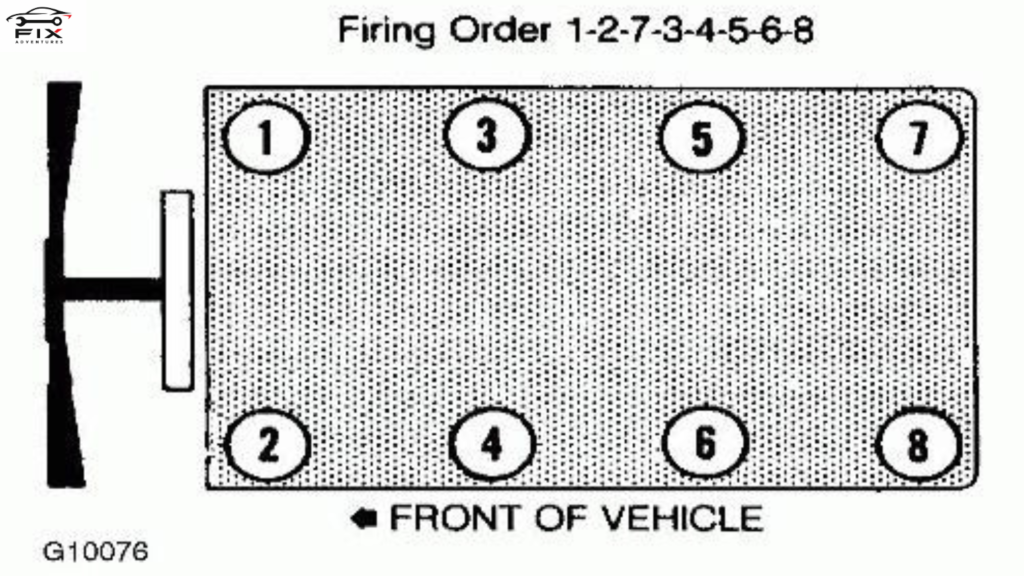
The correct firing order for the 6.0L Power Stroke V8 engine is:
👉 1 – 2 – 7 – 3 – 4 – 5 – 6 – 8
This sequence is critical for injector timing and combustion efficiency.
Why This Order Is Used
This firing sequence is designed to:
- Balance power delivery across the crankshaft
- Reduce vibration in a 90-degree V8 layout
- Allow smooth turbocharger response
- Improve durability under heavy load
Each cylinder fires at a specific crankshaft angle to maintain smooth rotation and consistent power output.
Cylinder Layout of the 6.0 Powerstroke
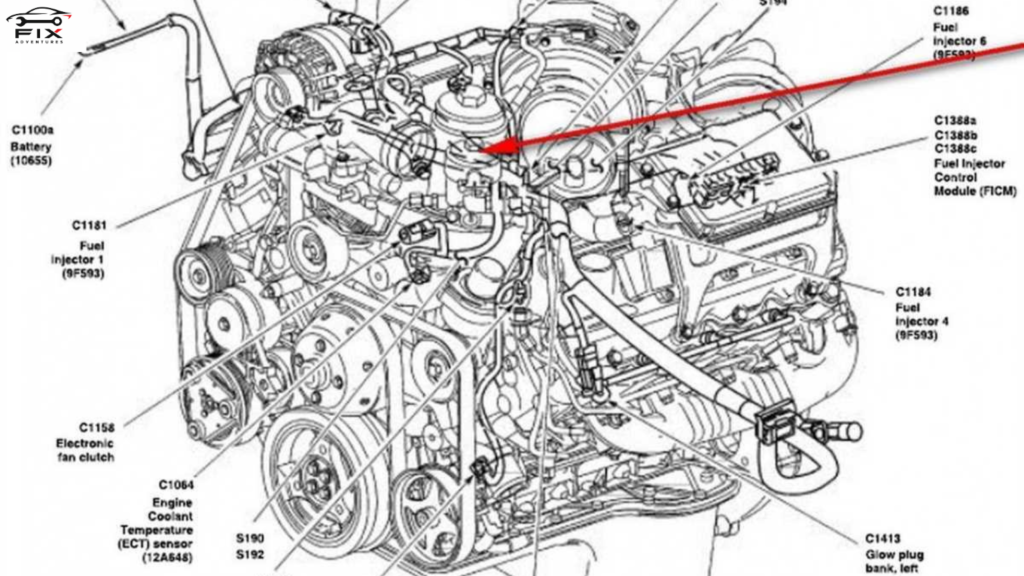
Understanding cylinder placement helps you follow the firing order correctly.
On the 6.0 Power Stroke V8:
Driver Side (Left Bank)
- Cylinder 1
- Cylinder 3
- Cylinder 5
- Cylinder 7
Passenger Side (Right Bank)
- Cylinder 2
- Cylinder 4
- Cylinder 6
- Cylinder 8
Front of Engine Reference
- Front of engine = crank pulley side
- Rear = transmission side
This layout is important when tracing injector wiring or diagnosing cylinder-specific issues.
Why the Firing Order Matters So Much
A diesel engine like this depends heavily on precise combustion timing. If the firing order is incorrect or confused, you may face:
Engine Performance Issues
- Rough idle
- Loss of power
- Poor acceleration
- Excessive smoke
Mechanical Symptoms
- Engine vibration
- Knocking sounds
- Hard starting
- Misfire codes (like P0301–P0308)
Fuel System Problems
The Power Stroke system uses high-pressure fuel injection, so incorrect sequencing can confuse injector timing signals.
How the 6.0 Powerstroke Firing Order Works
The engine crankshaft rotates 720 degrees for a full combustion cycle in a 4-stroke engine. During this cycle, each cylinder fires once in a precise sequence.
In the Ford F-Series Super Duty, this firing order ensures:
- Even torque distribution
- Reduced crankshaft stress
- Smooth power delivery under towing loads
Each firing event is spaced to maintain balance and avoid back-to-back stress on adjacent cylinders.
Common Mistakes When Checking Firing Order
Even experienced mechanics sometimes make errors when working on the 6.0 Power Stroke.
1. Confusing Cylinder Numbering
The most common mistake is mixing up cylinder layout between banks.
2. Swapping Injector Connectors
Incorrect injector wiring can mimic a wrong firing order.
3. Ignoring Crankshaft Position Sensor Issues
A faulty sensor can simulate incorrect firing behavior even when the order is correct.
4. Timing Misalignment
Mechanical timing errors can disrupt the combustion cycle entirely.
Symptoms of Incorrect Firing Order
If the firing order is wrong or disturbed, you may notice:
- Engine shaking at idle
- Random misfires
- Engine backfiring
- Poor fuel economy
- Check engine light
These symptoms often get worse under load, especially when towing or climbing hills.
How to Verify the Firing Order on a 6.0 Powerstroke
Here’s how technicians confirm proper firing sequence:
Step 1 – Check Cylinder Numbers
Use the engine diagram to confirm cylinder positions.
Step 2 – Inspect Injector Wiring
Ensure each injector is connected to the correct cylinder.
Step 3 – Use Diagnostic Scanner
Scan for misfire codes and injector contribution balance.
Step 4 – Mechanical Timing Check
If issues persist, inspect crankshaft and camshaft alignment.
Difference Between Gasoline and Diesel Firing Orders
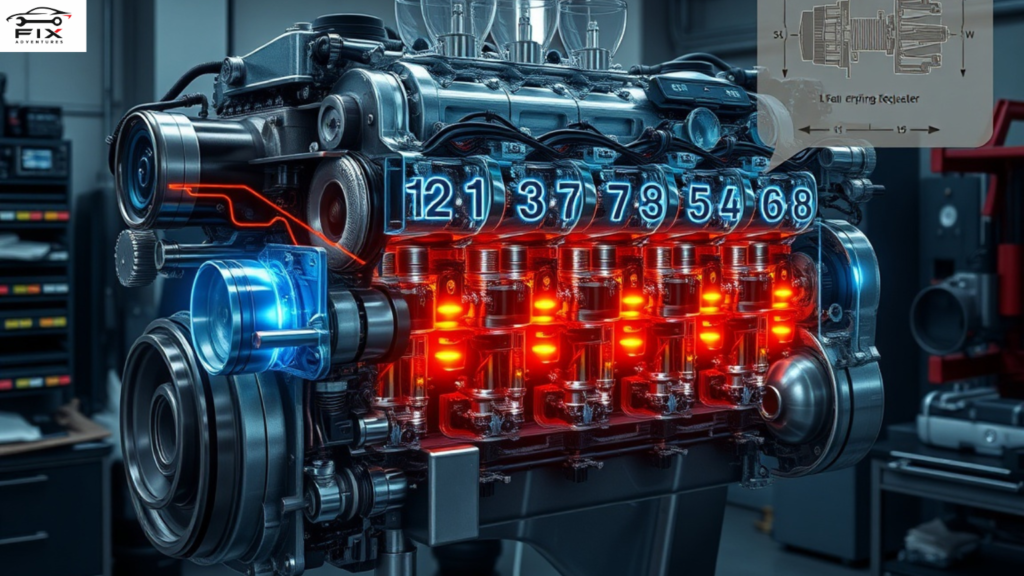
Although both are V8 engines, diesel firing systems like the 6.0 Power Stroke operate under higher compression and different injection timing.
Key differences:
- Diesel engines rely on compression ignition
- Fuel injection timing is electronically controlled
- More torque-focused combustion pattern
- Heavier internal engine components
This makes correct firing order even more critical in diesel applications.
Why the 6.0 Powerstroke Needs Precision Timing
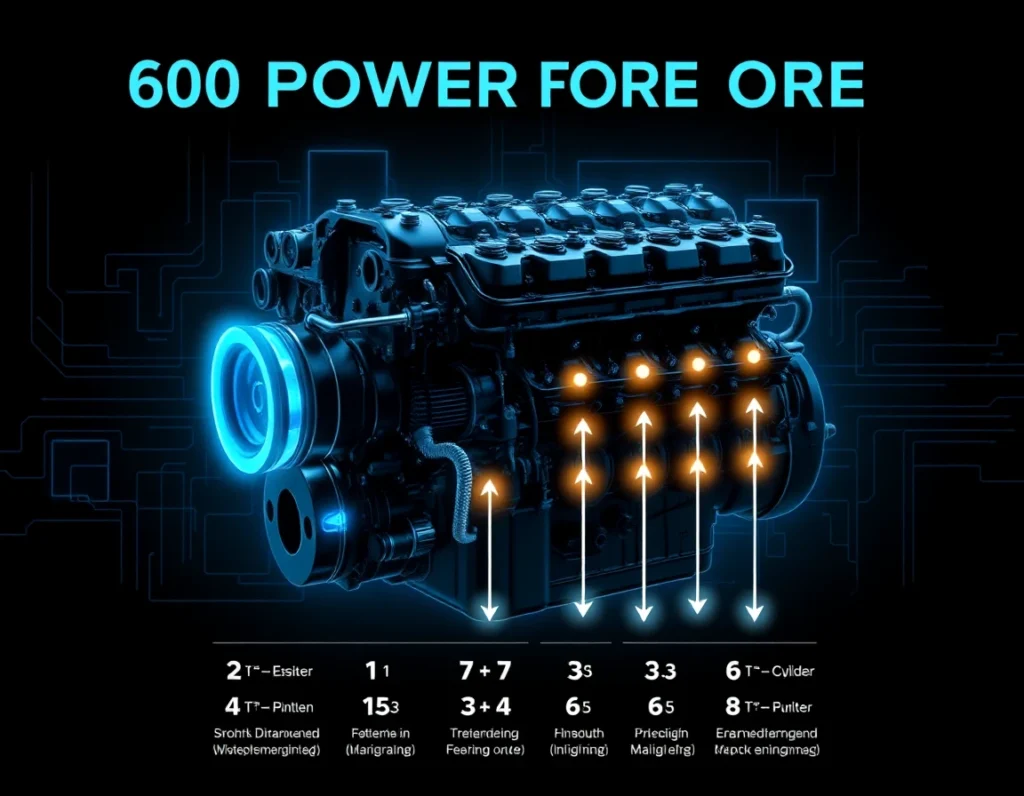
The 6.0L engine is known for its power but also its sensitivity to maintenance. Proper firing order ensures:
- Maximum engine lifespan
- Lower emissions
- Stable turbocharger operation
- Smooth towing performance
Even small mistakes in injector sequencing can lead to expensive repairs.
Maintenance Tips for Smooth Engine Operation
To keep your firing system working correctly:
Regular Injector Checks
Clean or replace injectors if misfires occur.
Use Quality Diesel Fuel
Poor fuel quality can affect combustion timing.
Monitor Engine Codes
Don’t ignore early misfire codes.
Keep Sensors in Good Condition
Crank and cam sensors must function properly for correct timing.
Final Thoughts
The firing order of the 6.0 Power Stroke engine (1-2-7-3-4-5-6-8) is the backbone of its combustion system. Whether you’re diagnosing an issue or performing a rebuild, understanding this sequence is essential for maintaining performance and reliability.
The Ford Power Stroke 6.0L depends heavily on precision engineering, and even small mistakes in firing order or injector wiring can lead to major engine problems.
If you’re working on a Ford F-Series Super Duty, always double-check cylinder numbering, wiring, and timing before reassembling the engine.

If you’ve ever found yourself staring at your car, wondering what went wrong or how to fix it without spending a fortune, you’re in the right place. FixAdventures was built for people who want practical, honest, and easy-to-understand car repair advice — without the fluff or confusing jargon.